
What is MRONJ?
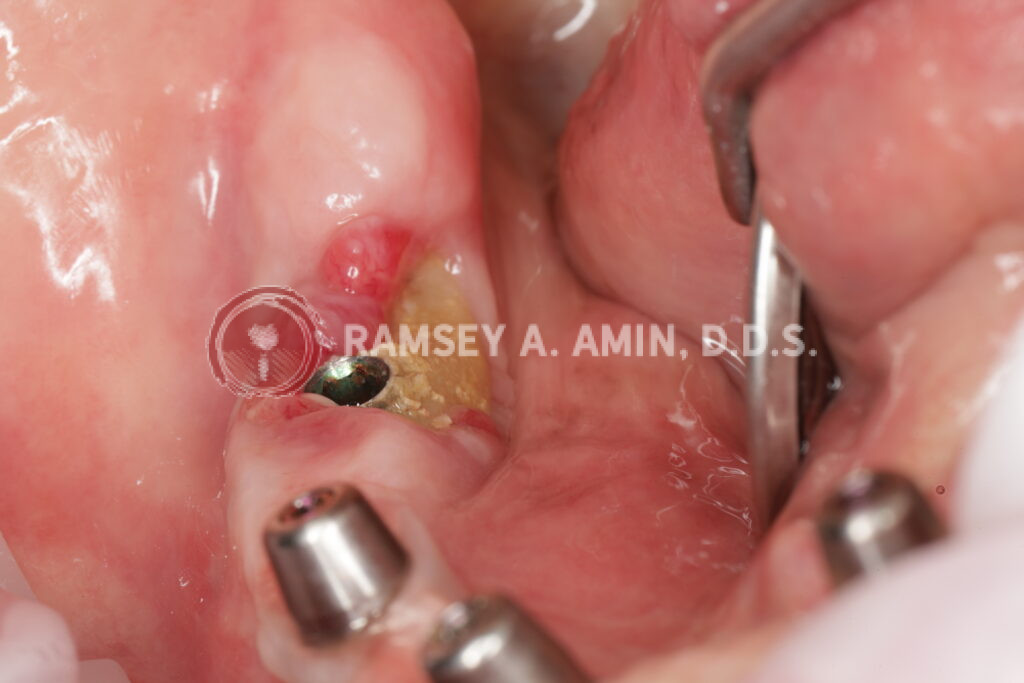
Medication‑related osteonecrosis of the jaw (MRONJ) (dead jaw) happens when part of your jawbone does not heal properly and begins to die after minor trauma, surgery (like a tooth extraction, dental implant), or sometimes even without a clear trigger.
The jawbone dies and may become exposed. You may notice:
- Exposed bone in the mouth that does not go away
- Pain, swelling, or infection in the gums or jaw
- Loose teeth in an area that previously felt fine
- Numbness, heaviness, or a “tight” feeling in the jaw
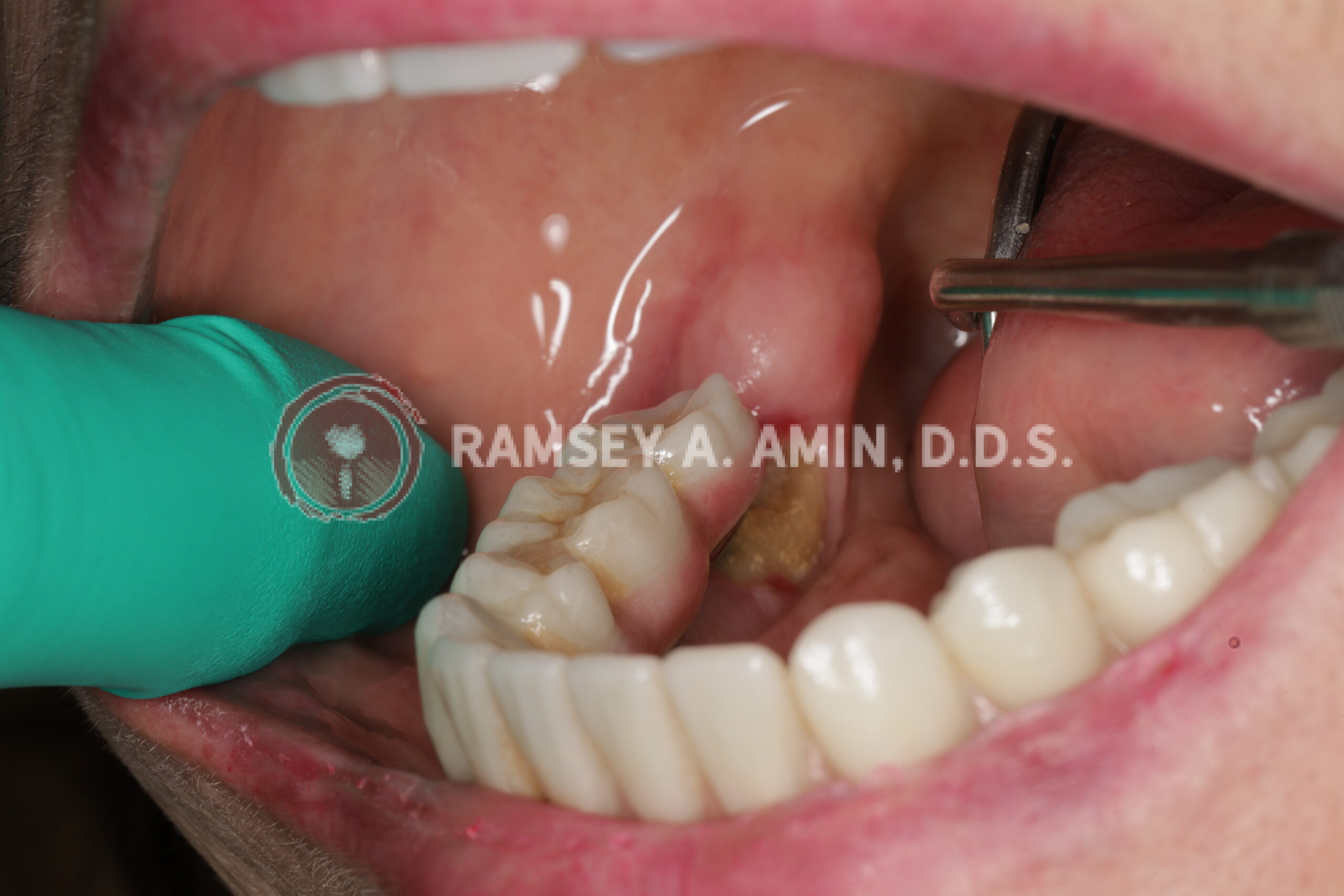
MRONJ is rare, but when it occurs, it can be stubborn and slow to heal. The likelihood of developing it depends a lot on the type of medication you are on and why you are taking it.
For patients on high‑dose IV (injectable) antiresorptive medications for cancer, reported rates are in the low single‑digit percentages.
For patients on standard doses for osteoporosis, the risk is usually much lower, often quoted as a fraction of a percent.
The risk is much lower for the pill forms of these medications. Across the board, it remains an uncommon complication, and my goal is to help keep your risk as low as possible.
Why are you taking medications that can cause MRONJ?
The medications linked to MRONJ are usually antiresorptive or anti‑angiogenic drugs. Your physician prescribes them because their benefits in treating serious conditions are often much greater than the small risk of MRONJ.
Common reasons you might be prescribed these drugs include:
- Osteoporosis and osteopenia
To strengthen bones, reduce your risk of fracture (especially hip and spine fractures), and improve quality of life. - Cancer that has spread to bone (like breast, prostate, or multiple myeloma)
High‑dose IV bisphosphonates or denosumab help reduce bone pain, prevent fractures, and decrease complications from bone metastases. - Other metabolic bone diseases
Such as Paget’s disease or severe steroid‑induced bone loss.
Some of the main drug classes involved are:
- Bisphosphonates (oral or IV)
- Denosumab (Prolia, Xgeva)
- Certain anti‑angiogenic medications used in oncology
For many of my patients, these medications significantly reduce the chance of life‑altering hip and spine fractures or painful bone events. My role is not to scare you away from needed therapy, but to manage your dental risk intelligently while you are on these medications.
Why is MRONJ more common in the lower jaw?
MRONJ can affect either the upper (maxilla) or lower (mandible) jaw, but I tend to see it more often in the lower jaw. A few reasons for this:
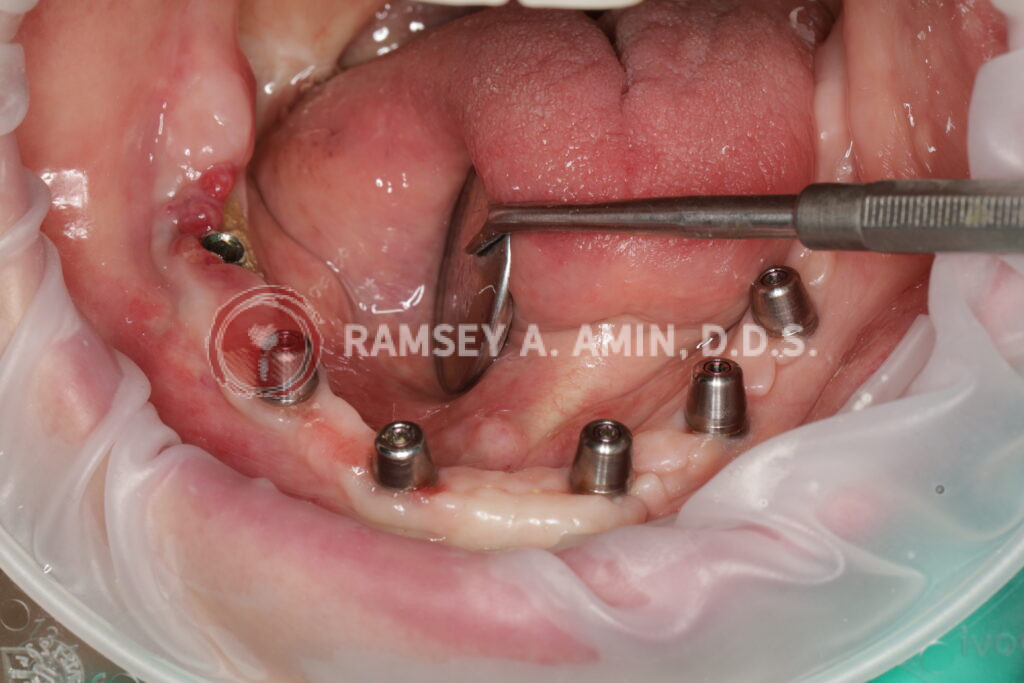
- The mandible has a denser, less vascular bone structure than the maxilla, so some areas have relatively less blood supply.
- The lower jaw takes more of the chewing forces, so it experiences more micro‑trauma during everyday function.
- Certain regions of the mandible (especially the molar area) are more vulnerable after extractions, implant placement, or other surgery.
You can think of your lower jaw as a harder‑working bone that also has a less generous blood supply in key areas. That combination makes it more prone to problems when bone turnover is deliberately suppressed by medication.
Medical conditions and risk factors (comorbidities)
Not everyone who takes these medications will develop MRONJ. Several medical conditions and lifestyle factors can increase your risk:
- Uncontrolled diabetes
- Smoking or vaping
- Long‑term steroid use (such as prednisone) or other immunosuppressive drugs
- Anemia or other conditions that affect blood flow and healing
- Poor oral hygiene or active periodontal (gum) disease
- Dentures or partials that create chronic sore spots
- Immune system problems
- Long-term Fosamax-type pills
- History of cancer with chemotherapy or radiation (especially to the head and neck)
- Frequent invasive dental procedures (extractions, implants, apicoectomies) while on high‑risk regimens
The more of these factors you have, the more carefully I plan and monitor your dental care around these medications.
How we prevent MRONJ in my practice
The best strategy is prevention. If you are starting or already taking these medications, there are several steps I take with my patients to reduce risk:
- Comprehensive dental exam before or soon after starting therapy
I look for teeth that are likely to cause problems and address them early, ideally before you begin high‑dose therapy. - Complete necessary extractions or invasive work first
Whenever possible, we take care of needed extractions, periodontal surgery, or implants before you enter the highest‑risk phase of medication. - Focus on keeping your teeth and gums very healthy
- Consistent daily brushing and flossing
- Regular professional cleanings and check‑ups in my office
- Early treatment of cavities and gum disease
- Minimize future trauma
- Adjusting or replacing dentures or partials that rub
- Helping you avoid habits like chewing ice or other very hard foods that stress vulnerable areas
- Medical coordination
I communicate with your physician, oncologist, or endocrinologist as needed. In some situations, your doctor may consider timing adjustments to your medication schedule. “Drug holidays” are not appropriate for everyone and must always be physician‑directed; I never make that decision alone.
A note on medications like pentoxifylline and others
There is growing interest in medications and supplements that may support blood flow and healing in compromised bone. One example is pentoxifylline, a drug that can improve microcirculation and has been used, often with vitamin E, in certain bone‑healing and osteoradionecrosis protocols. Some clinicians, including myself in selected cases, consider similar strategies in MRONJ prevention and management for high‑risk patients or those with borderline healing.
These approaches are not magic bullets or a replacement for careful surgery and excellent home care, but they can be part of a comprehensive, individualized plan when appropriate and coordinated with your medical team.
How I treat MRONJ
If you develop MRONJ, I tailor your treatment to the stage and severity of your condition. My main goals are to control pain, control infection, and help your jaw heal while preserving as much healthy bone and function as possible.
Treatment in my practice commonly includes:
- Careful monitoring
In very mild cases with minimal symptoms, I may simply monitor the area, keep it clean, and work with you to reduce local trauma. - Oral hygiene and antibacterial rinses
I often prescribe chlorhexidine or other rinses to reduce bacteria on the exposed bone. - Medications
- Pain control with appropriate analgesics
- Antibiotics when there is active infection or cellulitis
- In selected situations, medications such as pentoxifylline and vitamin E or other agents aimed at improving blood flow and bone metabolism, as part of a broader medical plan coordinated with your physicians
- Minimally invasive debridement
When needed, I gently smooth or remove sharp, necrotic bone edges that are irritating the soft tissue, using the most conservative approach that will keep you comfortable. - More extensive surgery (for advanced cases)
If your MRONJ is more severe or does not respond to conservative treatment, I involve another surgeon. In those cases, more extensive removal of necrotic bone and flap procedures may be necessary, and we coordinate closely with your medical team.
I do not change or stop your systemic medications without involving your prescribing physician, because those drugs are often controlling serious bone or cancer‑related diseases. Any adjustment is a team decision.
What I want my patients to do
If you are taking (or will be taking) medications for osteoporosis, bone metastases, or similar conditions, here is what I recommend:
- Tell me exactly which medication, dose, and how long you have been on it.
- Keep up with regular dental check‑ups and cleanings in my office.
- Let me know right away if you notice any non‑healing sores, exposed bone, persistent jaw pain, or swelling.
- Do not stop or change your bone or cancer medications on your own; any changes must be coordinated with your physician.
With proper planning, good home care, and close communication between my office and your medical team, we can keep your risk of MRONJ very low and catch problems early if they ever arise.
Many patients get alarmed when they read warnings online, often failing to distinguish between high-dose IV cancer therapies and standard low-dose osteoporosis care. Highlighting that MRONJ remains an uncommon complication especially for oral medications helps prevent unnecessary anxiety and medication non-compliance. Clear communication like this on bone health and dental safety is essential for patient education before any invasive dental work.
Thank you for taking a look