
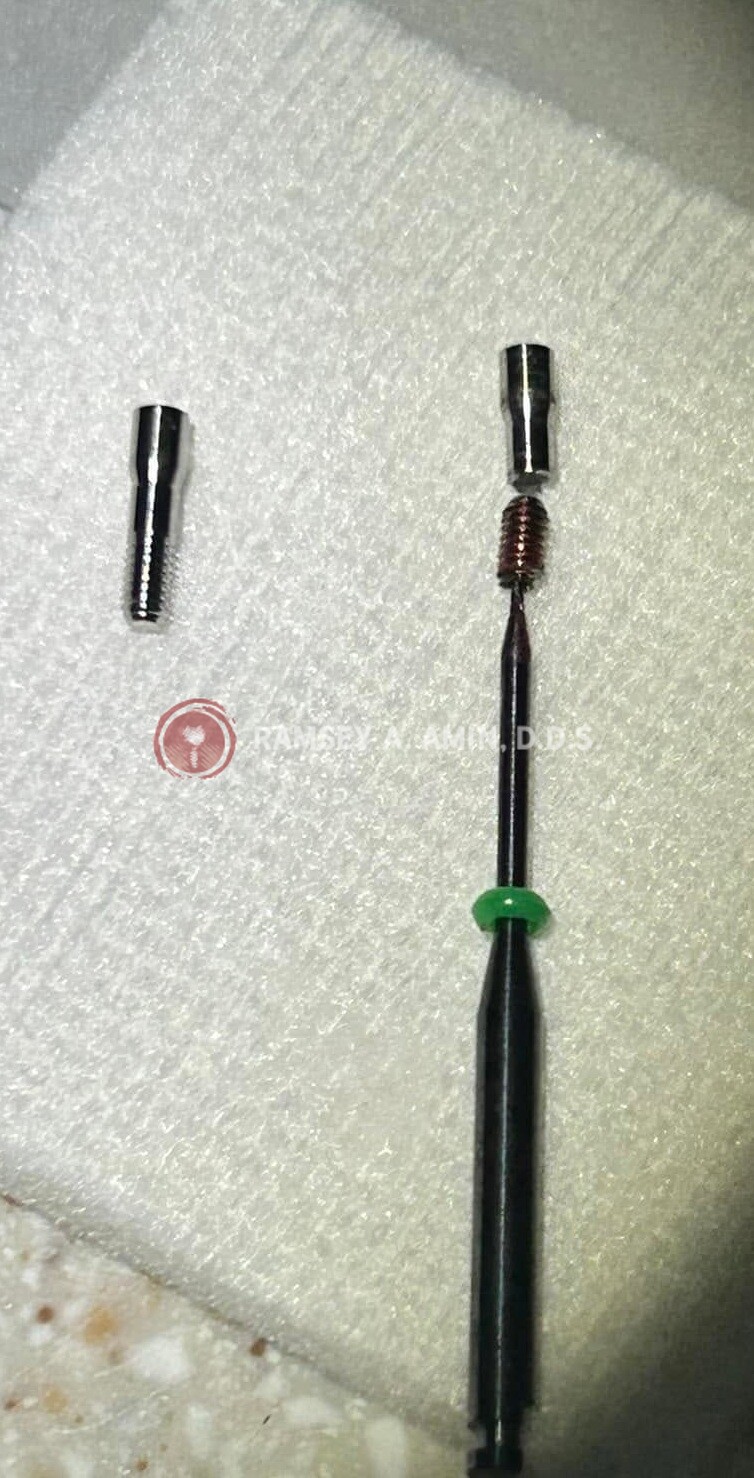
A loose dental implant or All-on-4 is not something to panic about, but it is also not something to “get around to later.”
So why does an implant crown become loose and why shouldn’t you ignore it? In many cases, the problem is a loose screw. In more difficult cases, the screw can strip, fracture, or become stuck inside the implant. It is a complication of a dental implant crown or bridge.
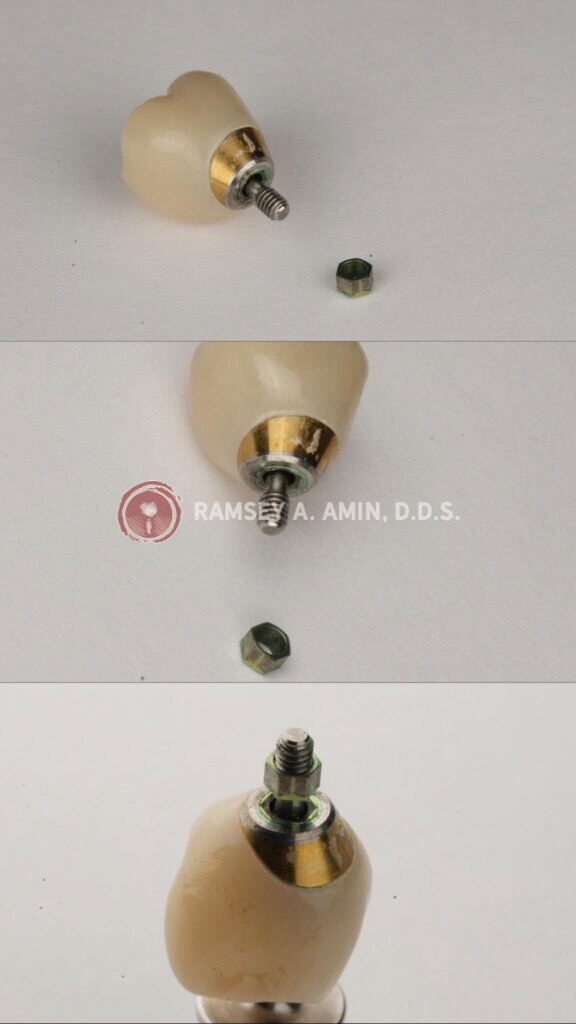
I see these situations regularly in my Burbank implant practice—often after a patient has been told that their implant crown is loose, has started moving when they chew, or has come off completely. Most of the time, it involves a back tooth, where the biting forces are much stronger.
The good news is that many loose implant crowns can be repaired. The important part is getting the problem evaluated early, before a loose screw turns into damage to the crown, the abutment, the implant connection, or even the implant itself.
This article is general information, not personal dental advice. Every implant system, restoration, and clinical situation is different.
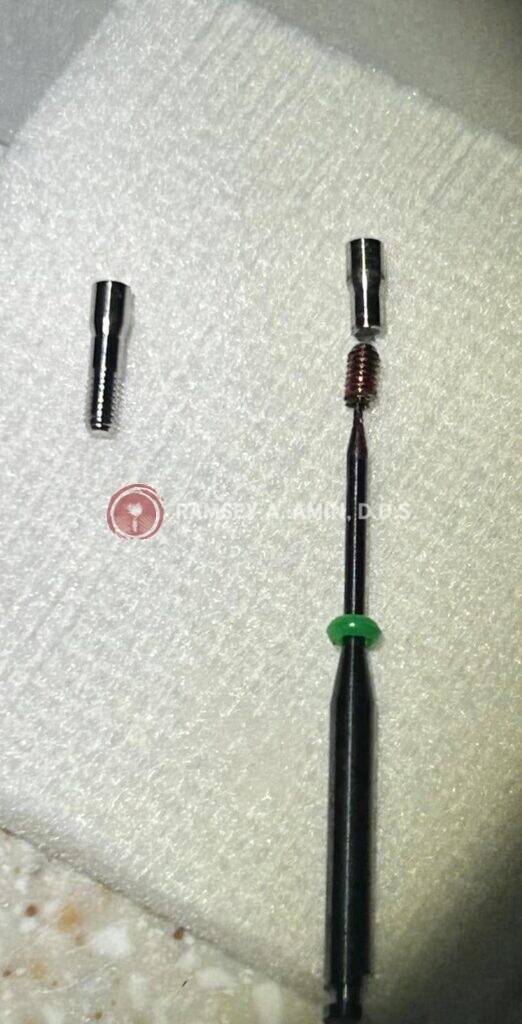
An implant is a screw inside a screw
People often think of a dental implant as one solid piece. It is not.
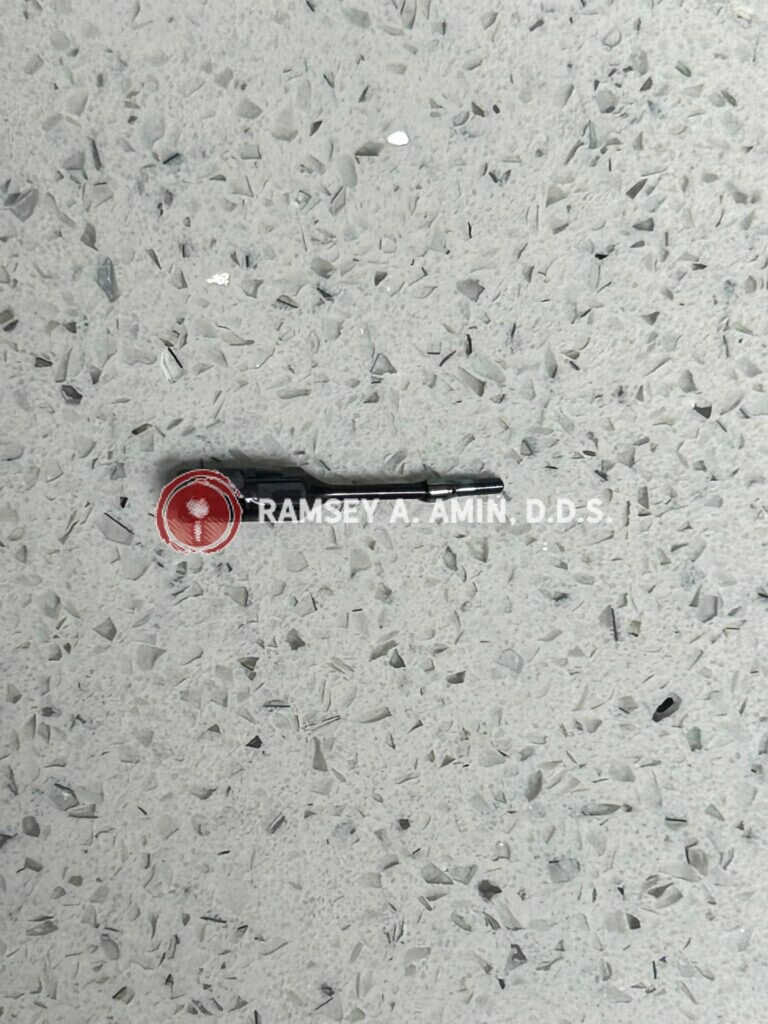
The screws that hold the implant crown, bridge or All on 4/6 are very small. In many systems, they are around 1.2 to 1.25 mm in size. That may not sound important until you have to retrieve one from deep inside an implant, often below the gumline.
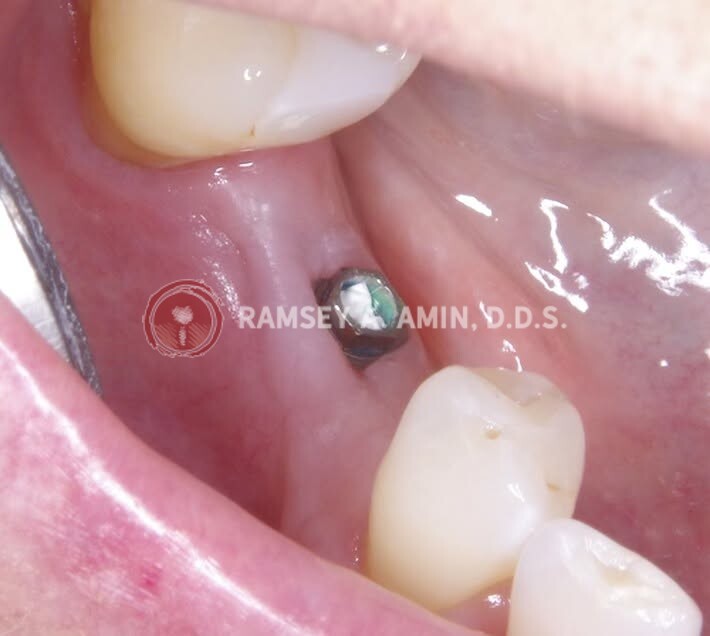
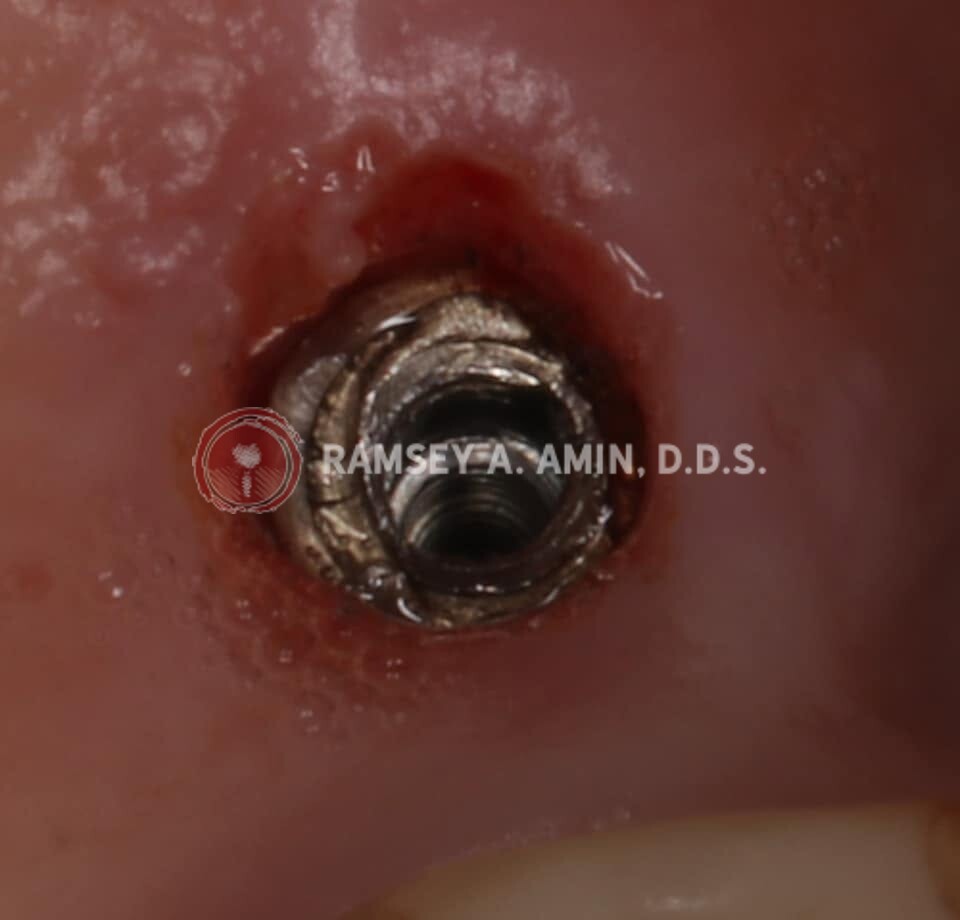
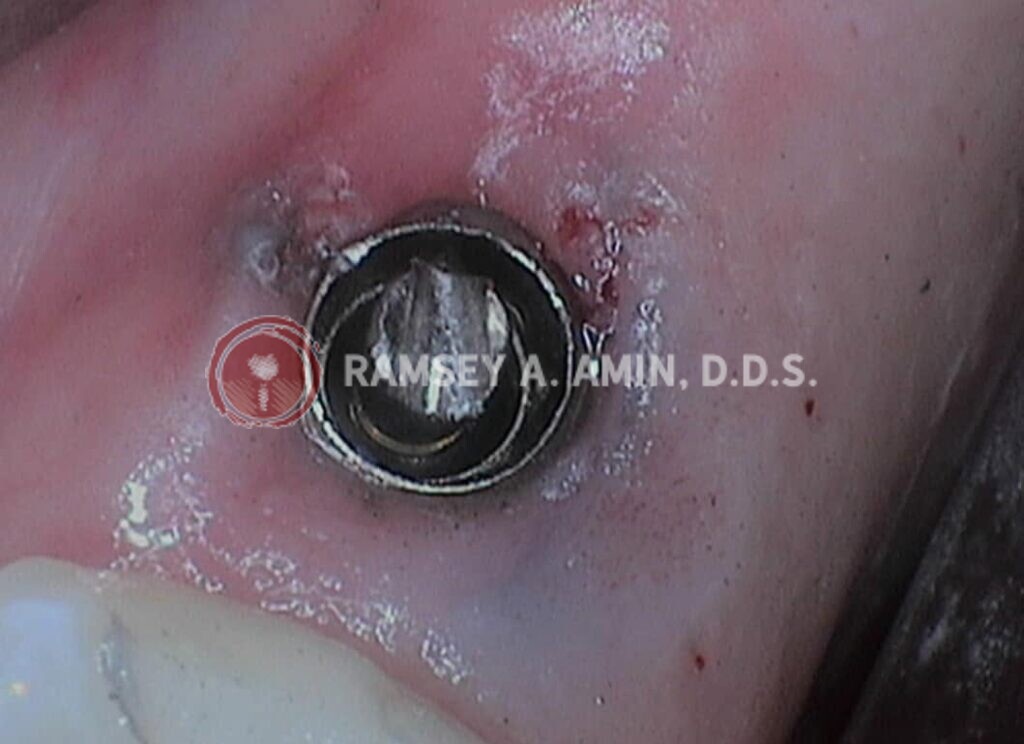
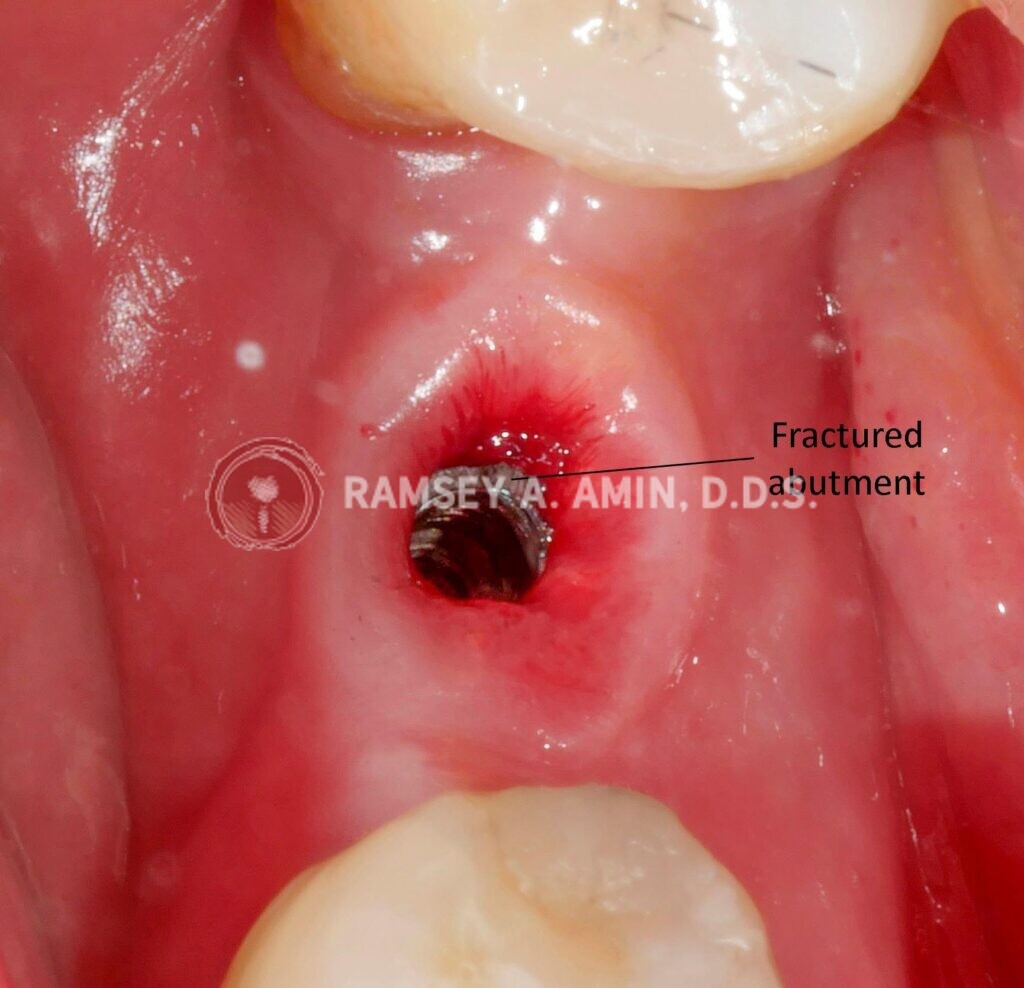
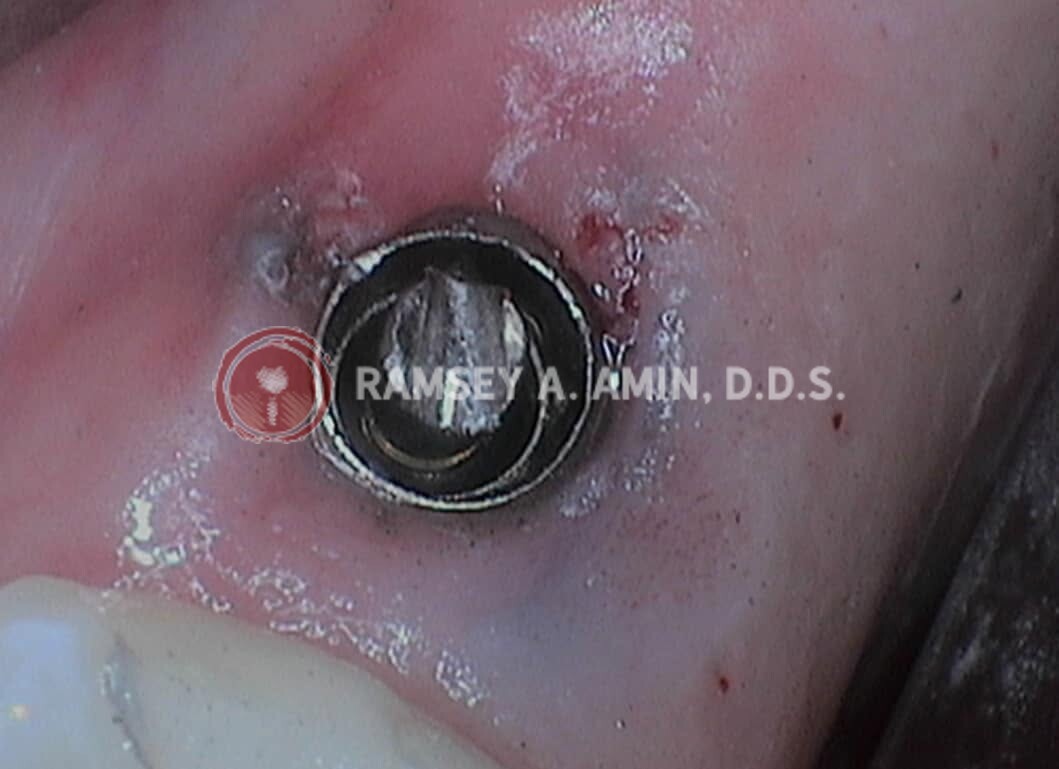
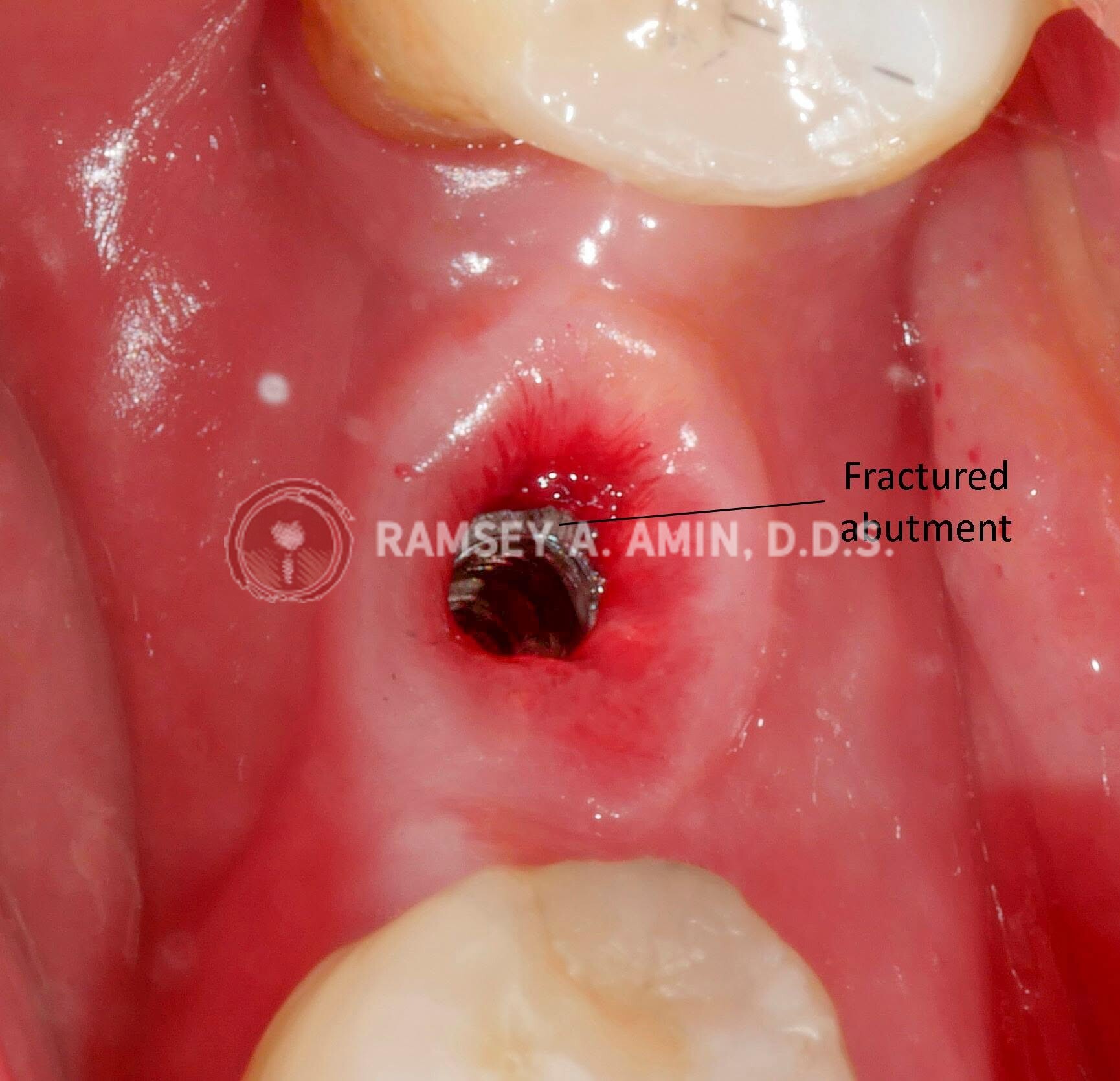
When one tiny component loosens or breaks, it can become a very technical problem.
Why does an implant crown or an All-on-4 bridge become loose?
When a patient says, “My implant tooth feels loose,” there are several possible explanations.
Sometimes only the crown or abutment screw has loosened. The implant itself may still be solidly integrated in the bone. Other times, the entire restoration is moving because there is a deeper issue with the implant, the implant connection, the crown design, or the surrounding bone.
A loose implant crown is especially common in the back of the mouth. Molars take heavy chewing pressure, and patients who clench or grind their teeth can place significant repeated force on a very small mechanical connection.
Research also identifies lateral or off-axis forces, poor prosthesis fit, tissue interference at the connection, and repeated tightening and loosening of components as contributors to screw-loosening problems.
Common reasons I see include:
- Heavy clenching or grinding, especially at night
- A bite that puts too much force on the implant crown
- An implant crown that is too wide, too tall, or overloaded in certain directions
- A cantilever, meaning force is being placed away from the center of the implant
- A crown, bridge, or abutment that does not fit precisely
- A non-passive All on 4/6 that does not fit precisely
- An implant that was placed at an angle that creates unfavorable forces
- Inadequate torque when the screw was originally tightened
- A torque wrench that was not calibrated properly
- A damaged implant connection or internal implant threads
- A lower-quality or older implant connection design
- A component that does not precisely match the implant system
- Repeated prior loosening that has already damaged the internal connection
There is no universal torque value for every implant screw. The proper torque depends on the specific implant system, component, screw design, and manufacturer’s instructions. Some abutment screws are commonly tightened in the 25–35 Ncm range, but prosthetic screws and multi-unit components may require very different values. Most multi-unit abutments for All on X (full arch) bridges are tightened to 15ncm. Using the manufacturer-specific torque protocol matters.
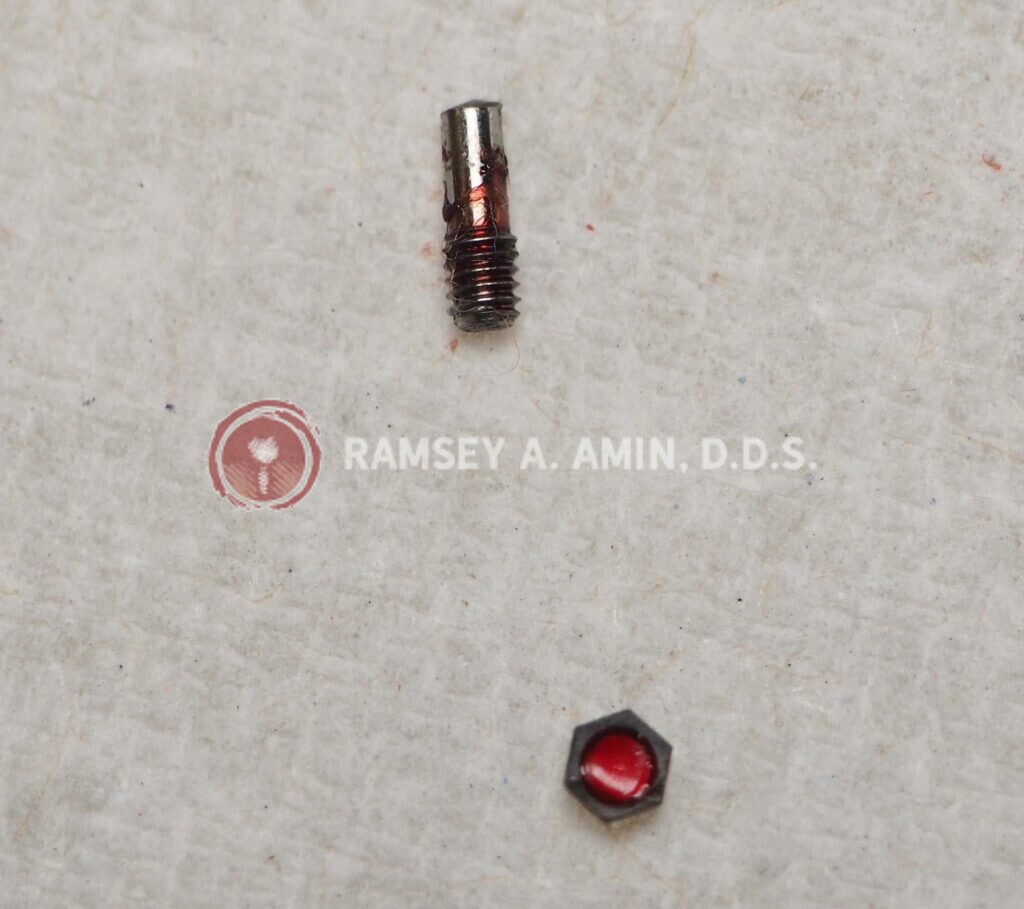
Original parts matter more than patients realize
One issue patients usually never see is the difference between original manufacturer components and “compatible” third-party parts.
There are excellent laboratories and third-party companies in dentistry. But there are also parts marketed as compatible with an implant system that do not fit exactly like the manufacturer’s original components. The geometry of the implant connection, screw head, threads, driver, and abutment must work together precisely.
Sometimes a part looks like it fits. It may even initially feel like it fits. But small differences in the interface can lead to poor seating, stripped screw heads, repeated loosening, instability, or damage to the implant’s internal connection.
This becomes especially important years later. If you do not know the implant brand, the exact implant connection, the abutment type, and the screw system, a relatively simple repair can become far more difficult.
I always recommend that patients keep records of:
- Their implant brand and model, if available
- The office where the implant was placed
- The restorative dentist or laboratory information
- Any implant component labels, stickers, or records
- X-rays taken after implant placement and crown delivery
There is no truly universal dental implant screw or screwdriver. As implant dentistry has expanded, there are more proprietary connections, screw designs, drivers, and angled screw-channel systems than ever. This has made things very complicated!
What happens when the screw is broken?
A loose screw can often be retightened or replaced if the implant connection and crown are undamaged. A broken screw is a different situation.
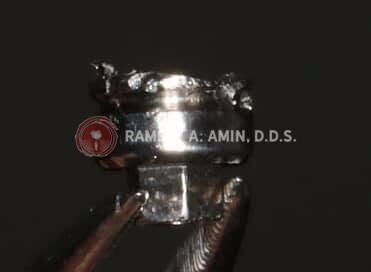
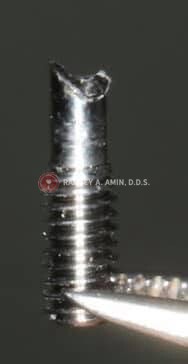
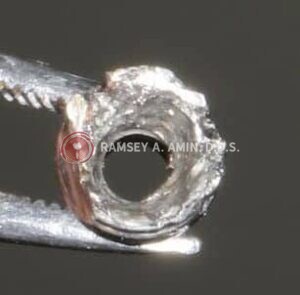
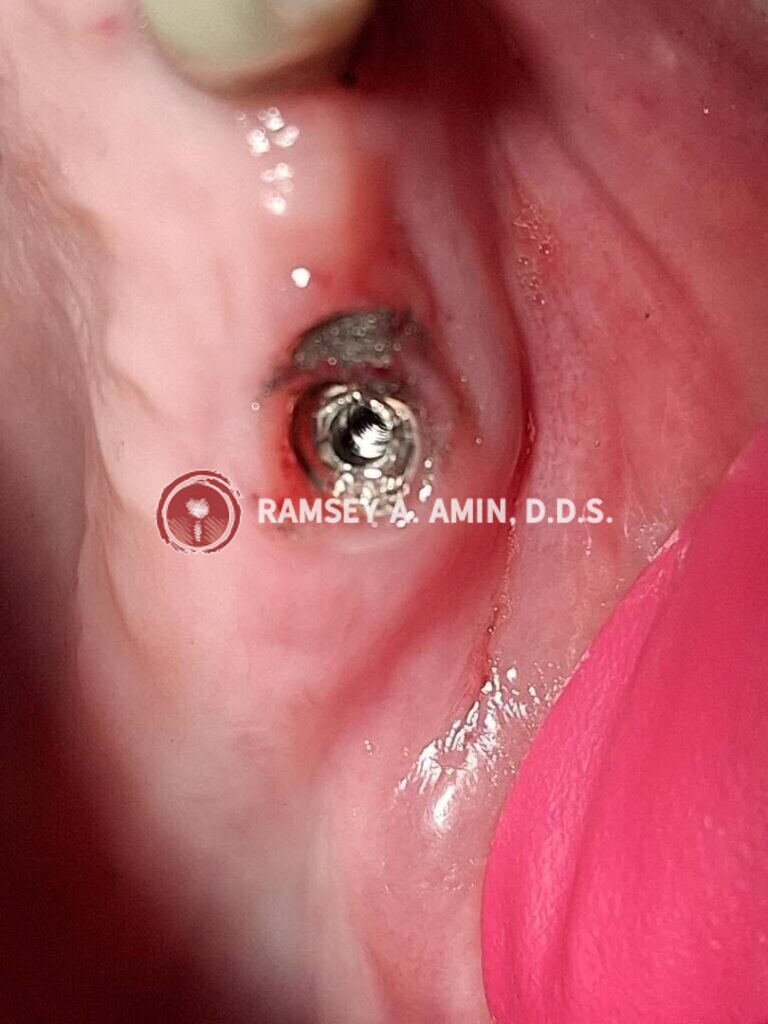
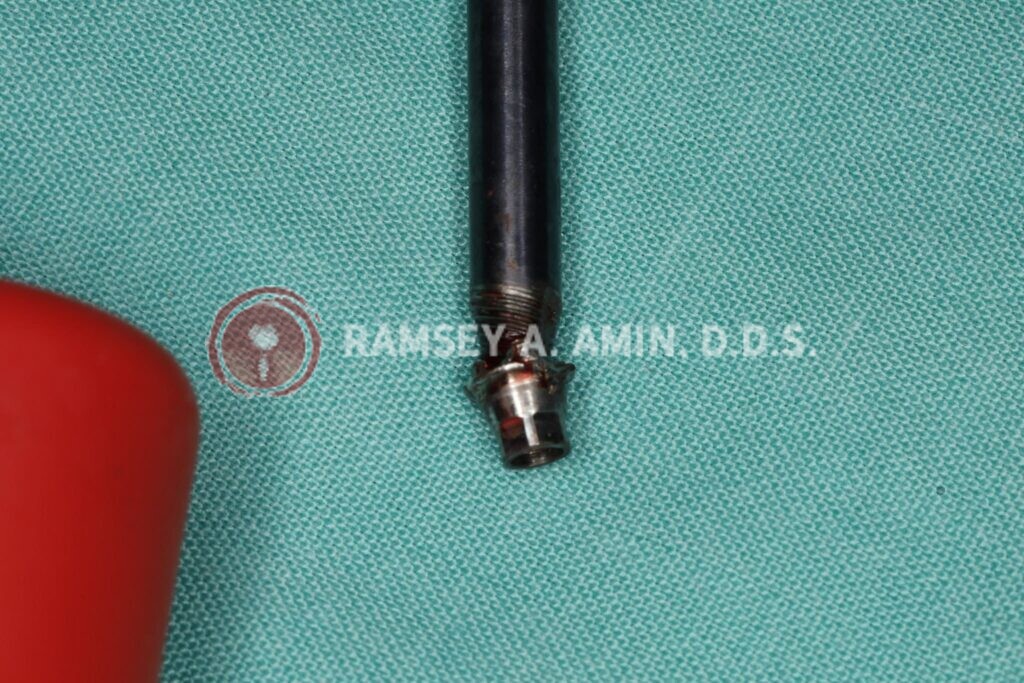
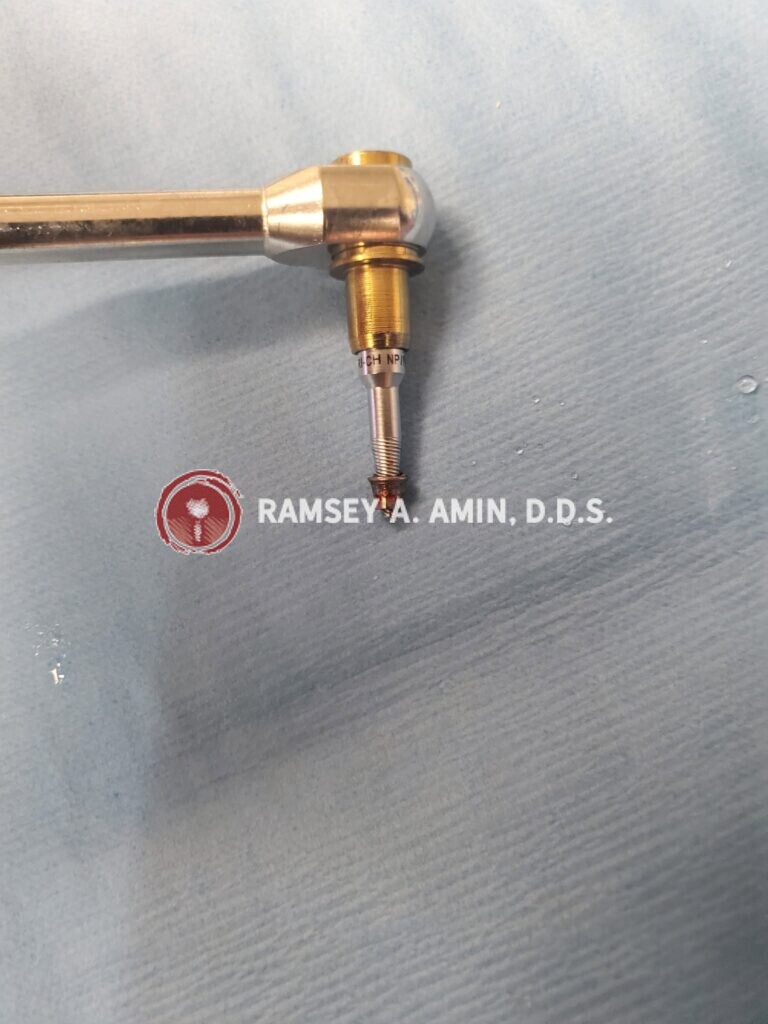
If a screw fractures, part of it can remain buried inside the implant. The piece may be very small, deep, and difficult to see. If the crown has come off, the gum tissue may begin closing over the opening quickly. In some cases, I have to surgically open the gum tissue to gain access and visibility.
Then there is the challenge of working inside a narrow implant channel. Blood, saliva, tissue, limited visibility, the implant’s location, and the depth of the broken fragment all make retrieval more difficult. It is a deep dark, red, wet hole.
These cases may require:
- New X-rays, and occasionally three-dimensional imaging when appropriate
- Identification of the implant system and exact connection
- Specialized implant retrieval instruments
- Magnification, illumination, and careful access
- A screw-retrieval kit or reverse-threaded instrument
- Creating access through a crown when appropriate
- Removal or replacement of the crown
- Minor soft-tissue surgery to expose the area
- Careful inspection of the implant connection after retrieval
Sometimes the broken screw can be removed quickly. Other times, it takes a long time. And unfortunately, some broken screws cannot be retrieved without damaging the implant.
The final decision depends on the implant system, how deep the screw fractured, whether the implant connection is already damaged, and whether the implant can still support a predictable restoration.
Why waiting can make it worse
One of the most important things I want patients to understand is this: a loose implant crown can create more damage every time you chew on it.
When the crown or abutment is moving, it can act like a tiny lever. Repeated movement can wear down or fracture the internal connection, crack the implant body, strip the threads, damage the abutment, or allow bacteria and fluid to move into spaces where they do not belong.
Mechanical instability can also create conditions that are harder to keep clean. That is not a good situation around an implant, where long-term bone support matters.
A loose restoration may be a straightforward repair today. If it continues to move for weeks or months, it can become a crown replacement, an abutment replacement, a screw-retrieval procedure, or in the worst cases, implant removal and replacement.
Screw loosening is also not always a “just tighten it” issue. A repeatedly loose screw may be telling us that the crown is overloaded, the bite is off, the components are not fitting correctly, the internal connection is damaged, or the implant itself has a problem.
Loose screw, stripped screw, or stuck abutment?
These terms are often used interchangeably, but they are different problems.
| Problem | What it means | Why it can be difficult |
| Loose screw | The screw has backed out or lost clamping force | The cause must be identified so it does not happen again |
| Broken screw | The screw has fractured, leaving part inside the implant | The fragment may be tiny, deep, and difficult to retrieve |
| Stripped screw | The screw head has been damaged so the driver cannot engage it | The crown may need to be drilled through or removed to retrieve the screw |
| Stuck abutment | The abutment cannot be removed from the implant | The connection may be tightly wedged, cold-welded, or damaged |
| Damaged implant connection | The inside of the implant has worn, fractured, or stripped | Retightening may not solve the problem; full implant replacement may be necessary |
A stripped screw head often occurs when the wrong driver is used, the driver is not fully seated, the screw head is already damaged, or the wrong component is placed into the implant. Angulated screw-channel restorations can add another layer of complexity because the screw head and driver geometry may be different from a traditional straight screw channel.
In many cases, once a screw head is stripped, the crown must be carefully cut off or accessed through the top so the screw can be removed. That may mean the existing crown cannot be saved.
What is a “cold-welded” abutment?
Occasionally, an abutment becomes extremely difficult to remove from the implant. Dentists sometimes describe this as a cold weld.
This can happen when implant components are tightly compressed together, especially in certain connection designs. It may also occur when there has been damage, long-term loading, contamination, or a mechanical issue at the implant-abutment interface.
A stuck abutment does not automatically mean the implant has failed. But it does mean the dentist needs to proceed carefully. Forcing components apart can damage the implant connection or create a bigger problem.
Cement-retained crowns can be more difficult to repair
Both screw-retained and cement-retained implant crowns have appropriate uses. I still use cement-retained restorations in certain cases, particularly when esthetics or implant angulation make them the best option especially in the front of the mouth.
However, if a cement-retained implant crown becomes loose because the underlying abutment screw has loosened, there may be no simple access hole to reach the screw.
In that situation, we may need to remove or section the crown to reach the abutment and screw. Sometimes the crown can be saved. Sometimes it cannot.
This is one reason the original planning, implant position, component selection, crown design, and documentation matter so much. Good planning does not eliminate every possible complication, but it gives us the best chance of managing one conservatively if it happens.
How I evaluate a loose implant crown
I do not like to simply tighten a loose implant crown and send a patient home without finding out why it loosened.
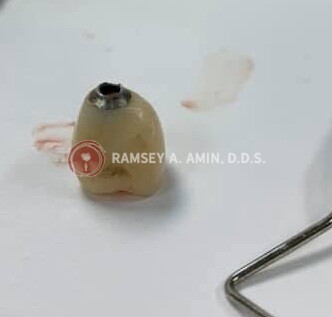
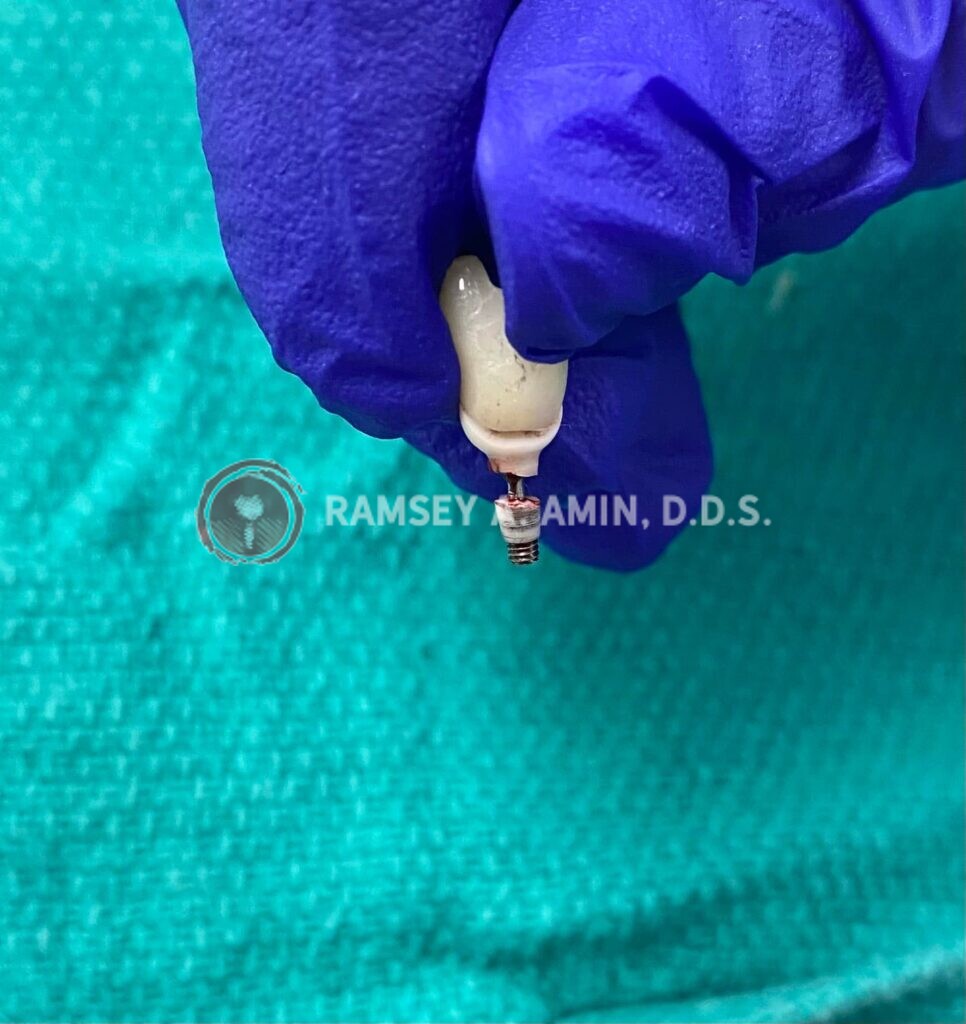
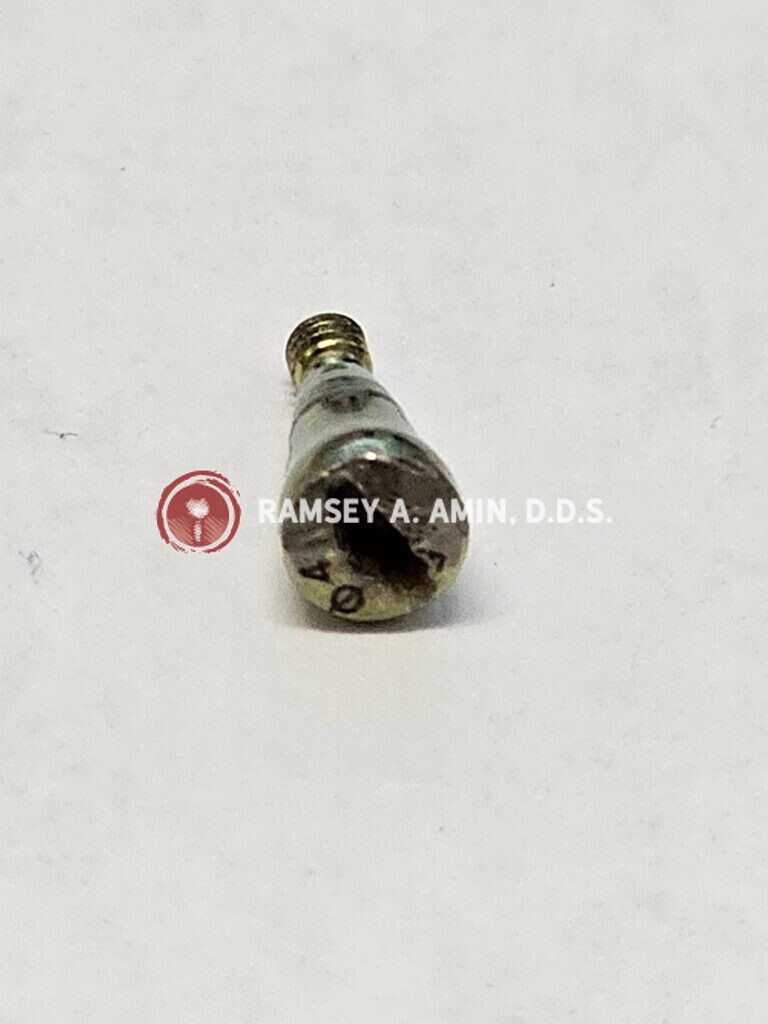
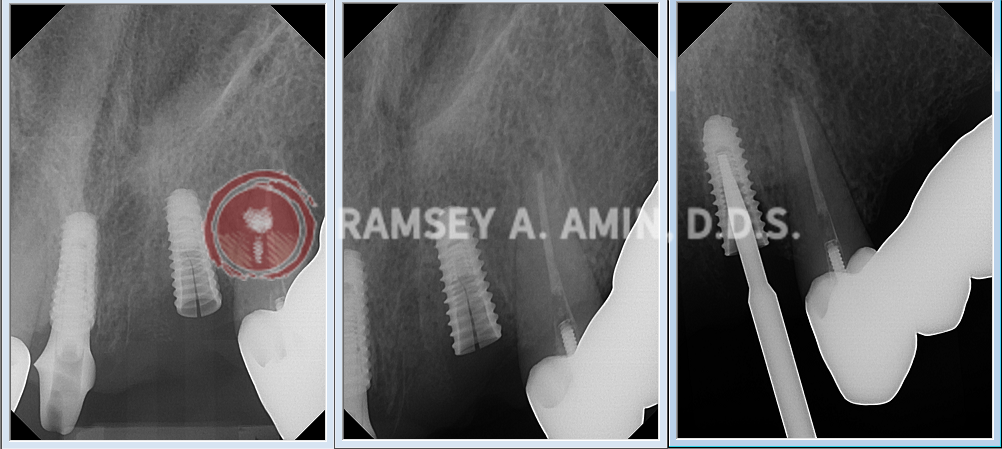
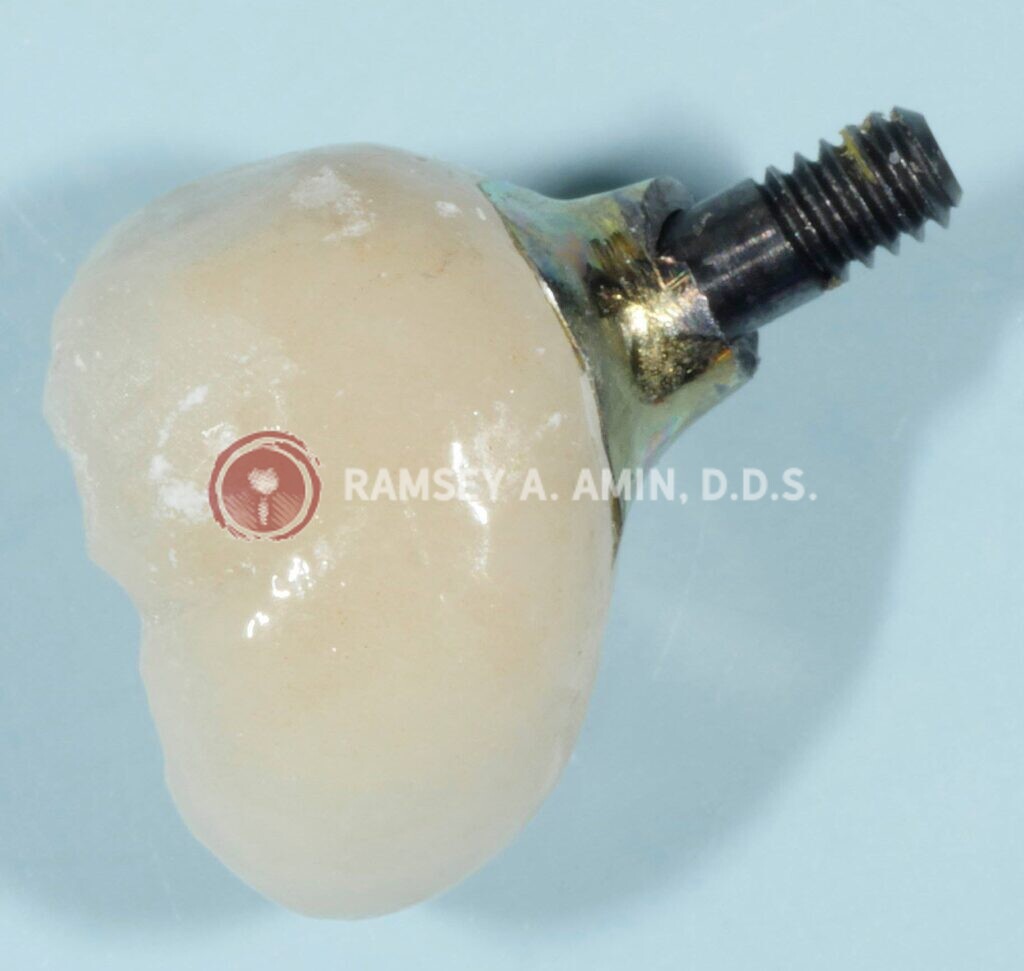
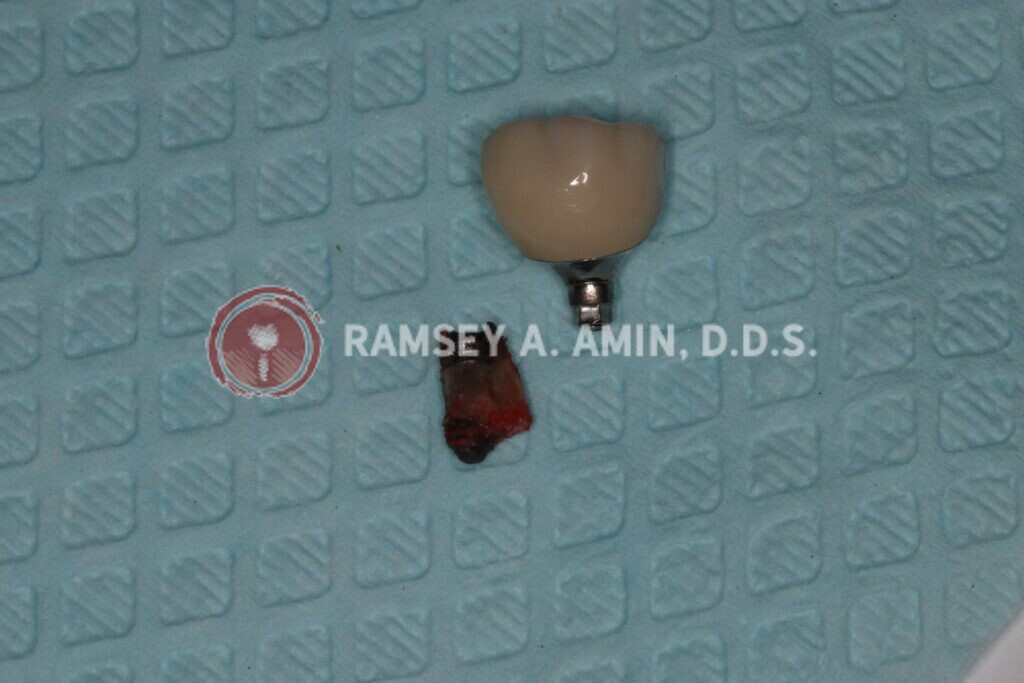
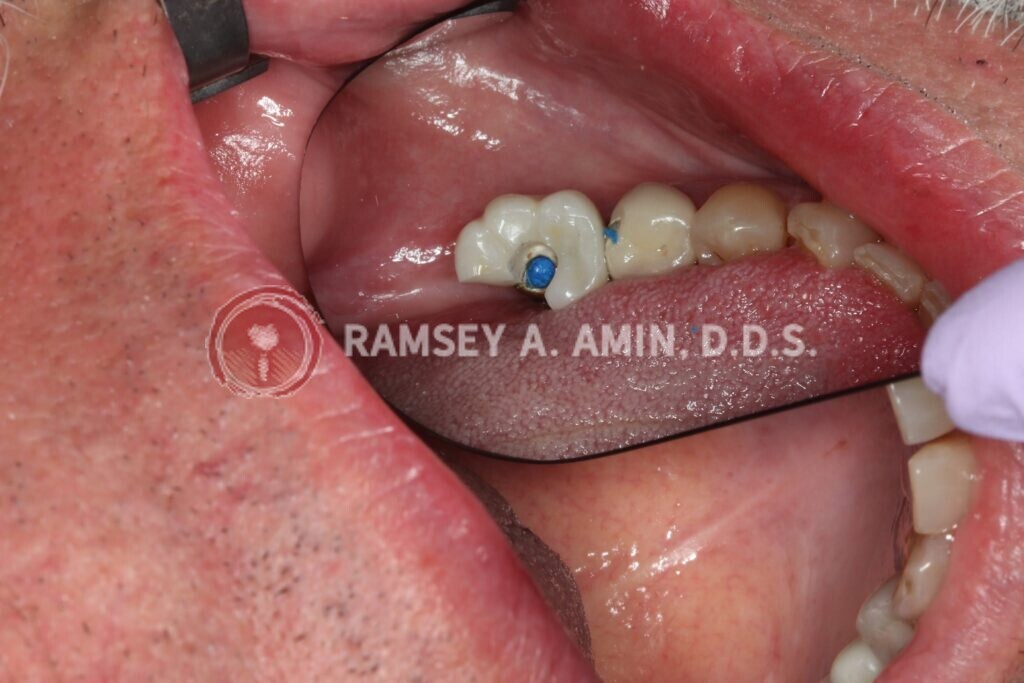
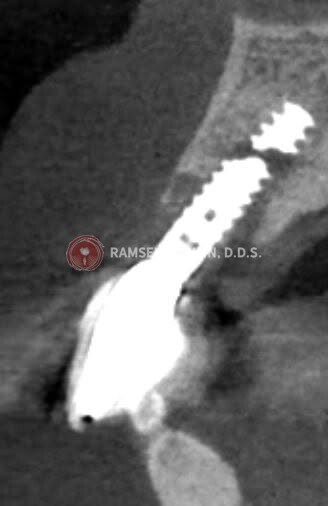
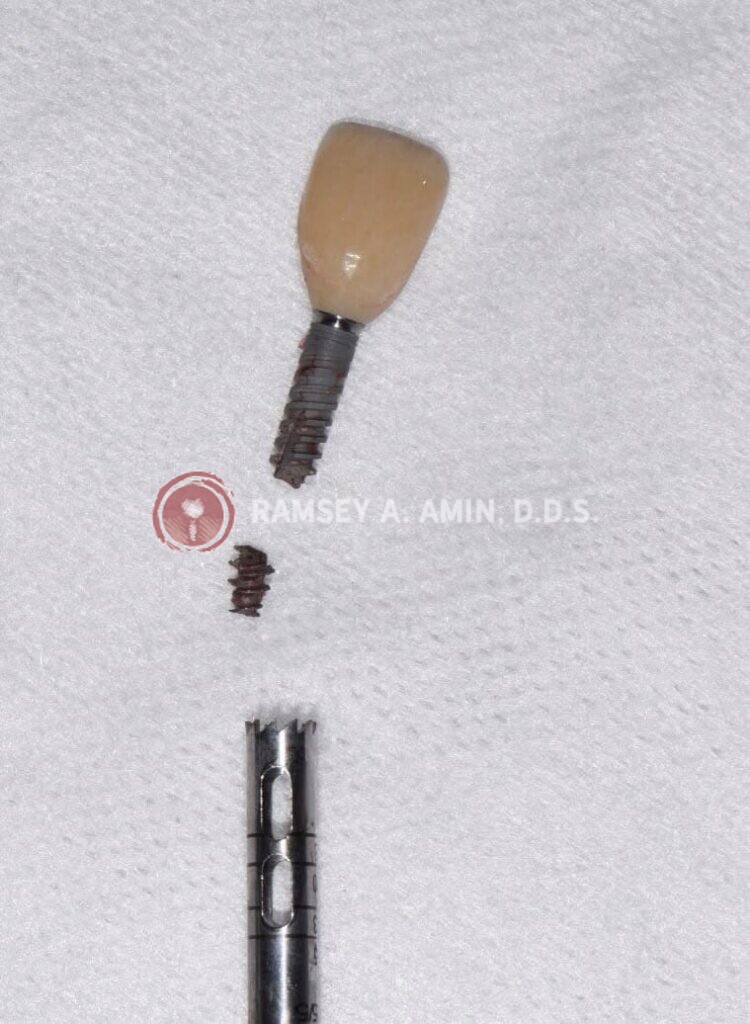
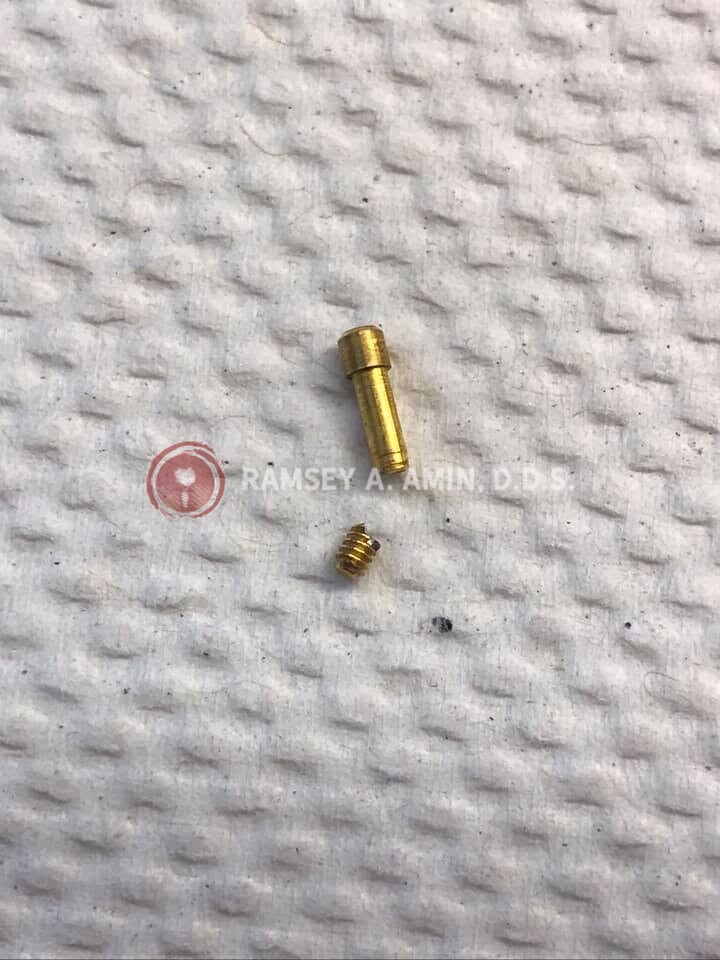
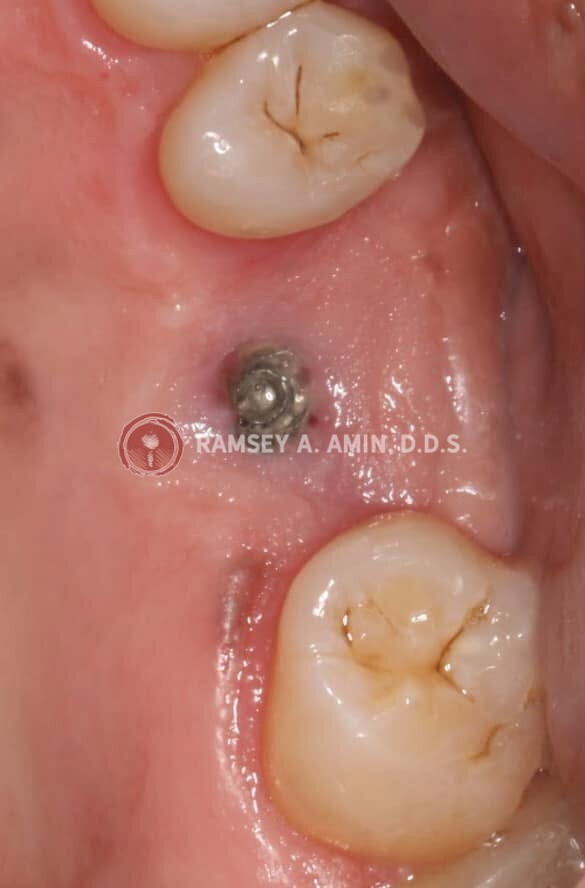
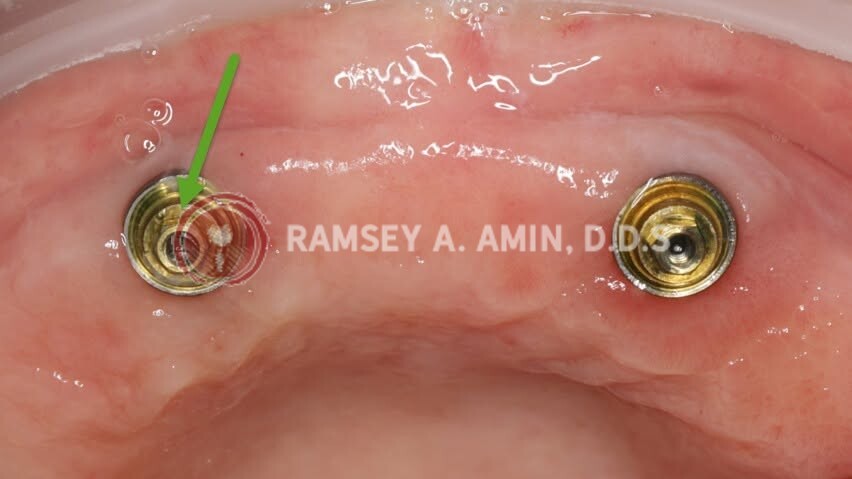
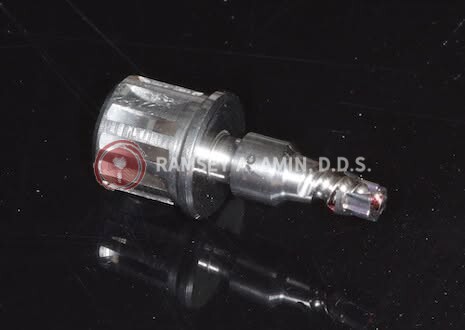
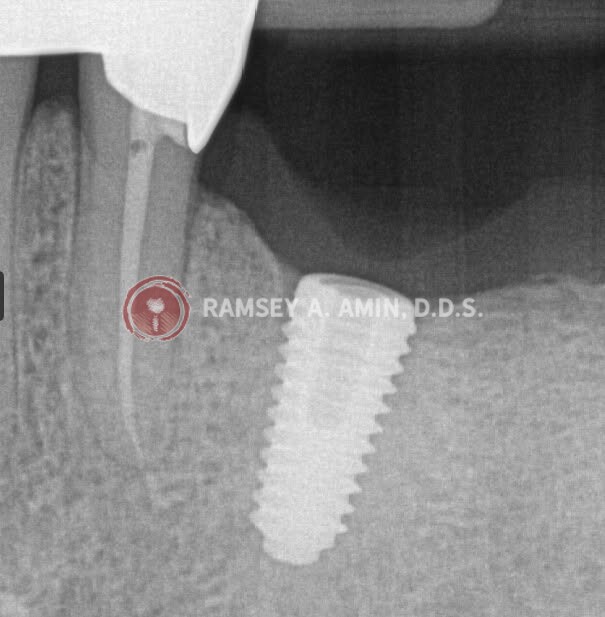
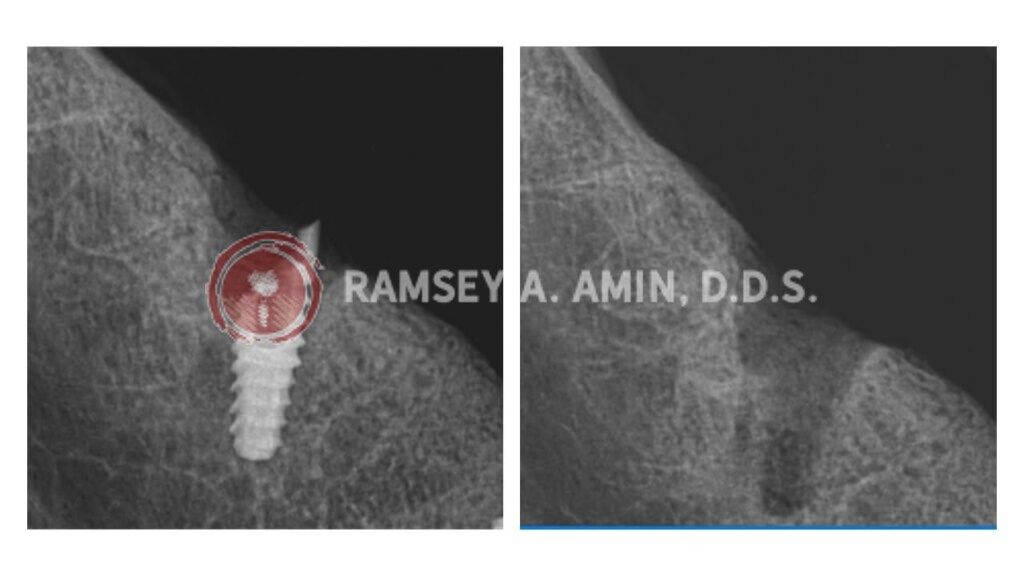
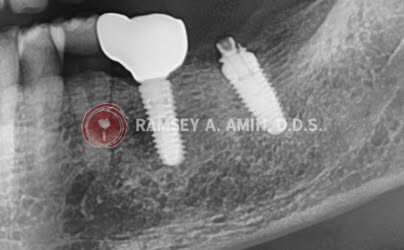
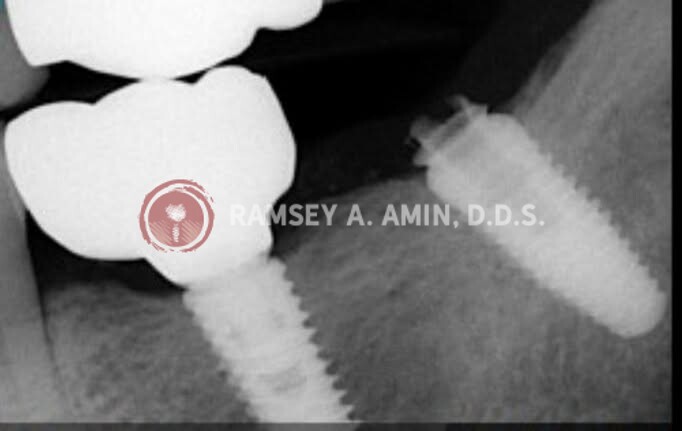
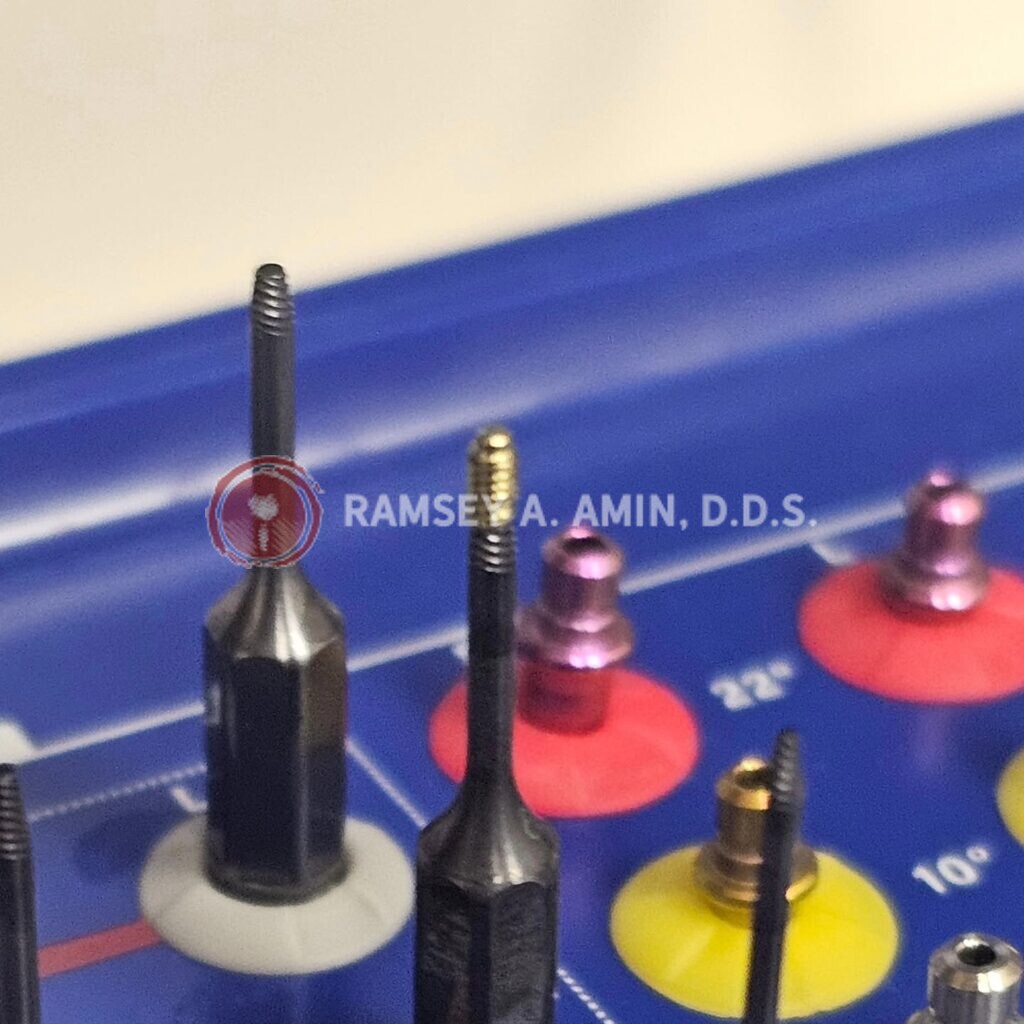
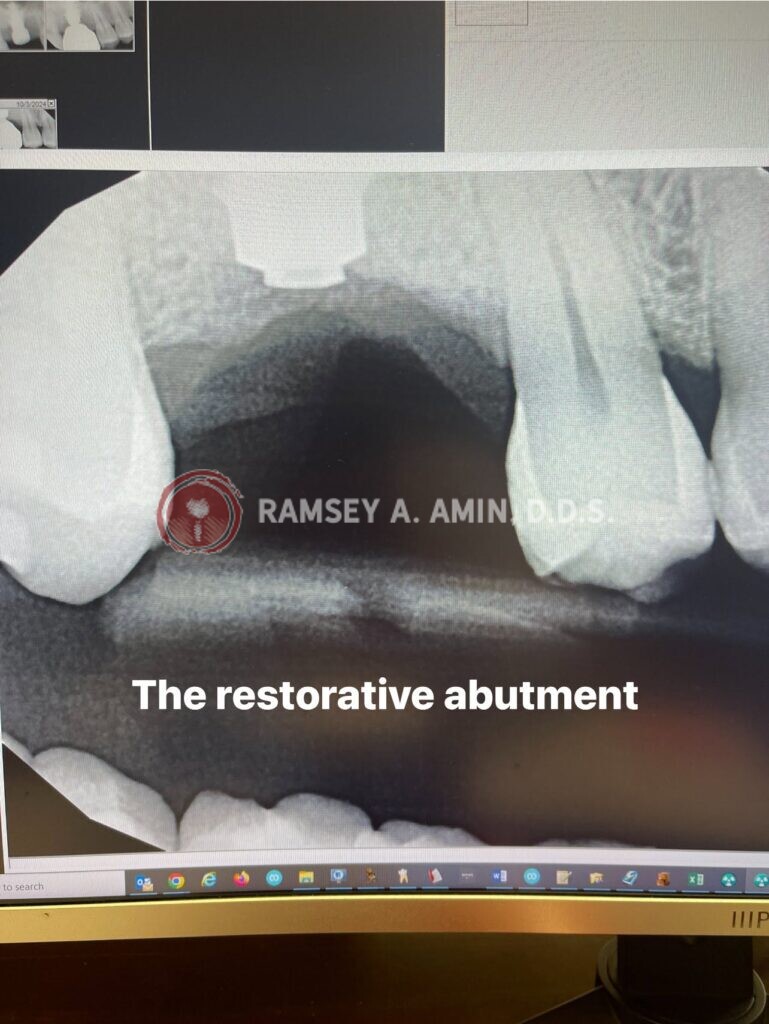
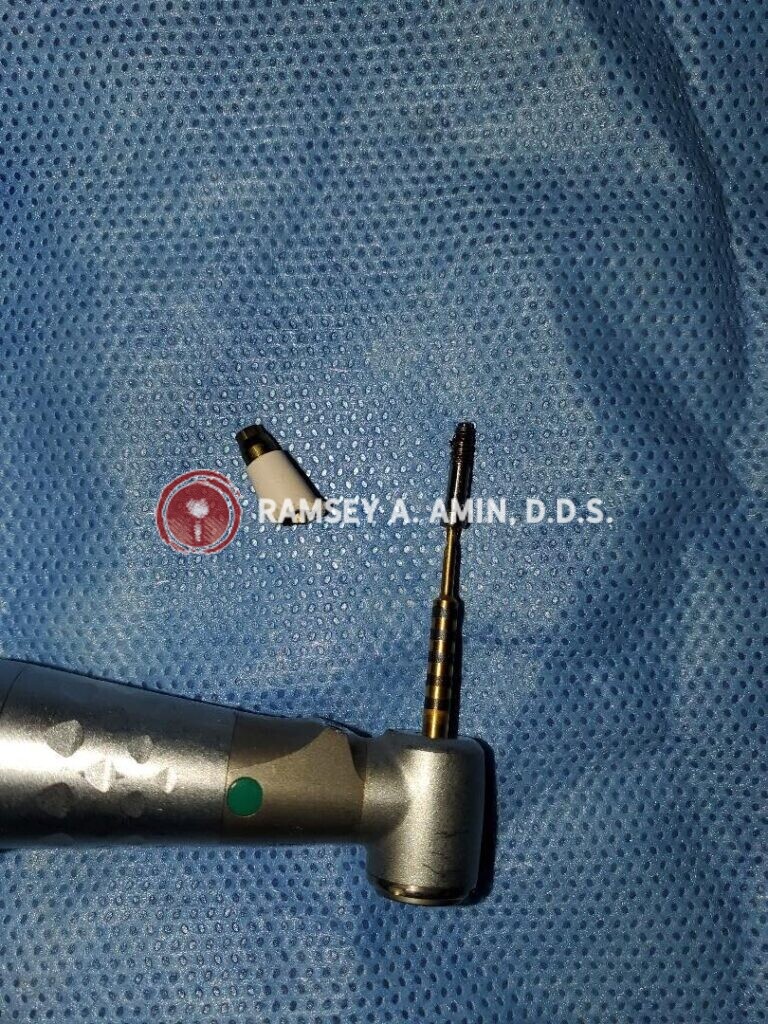
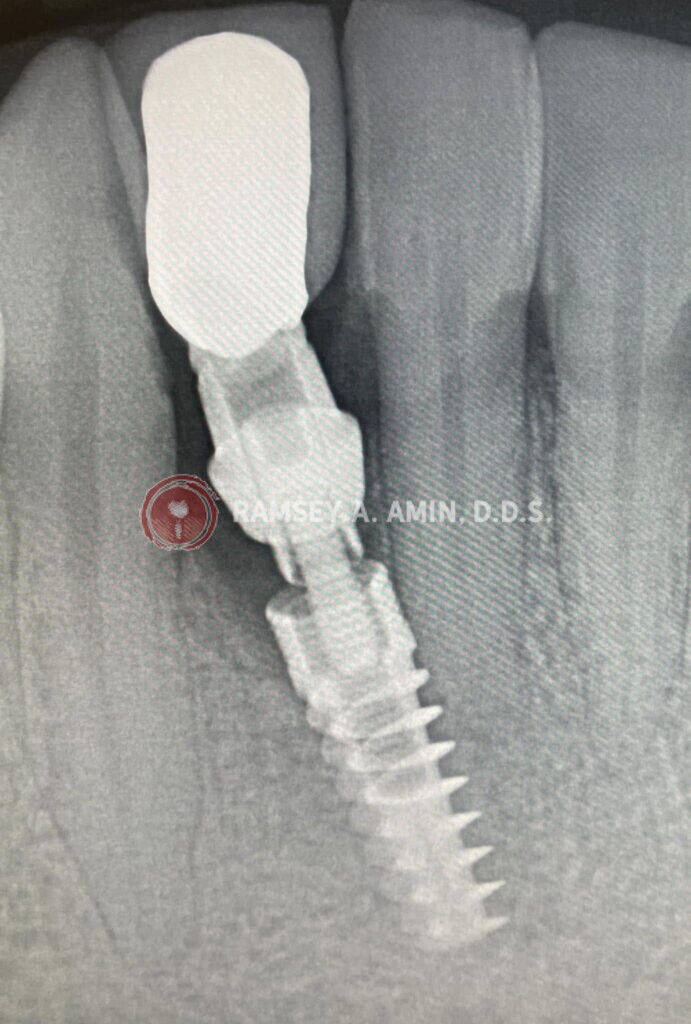
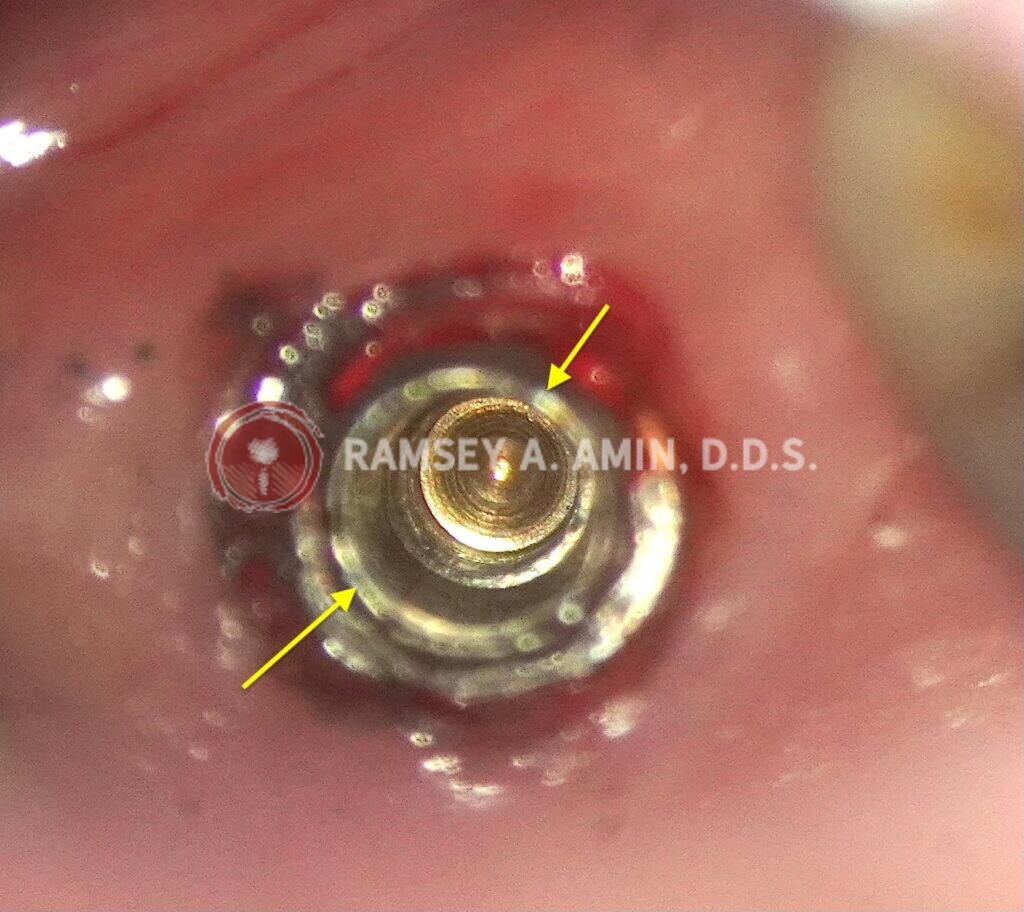
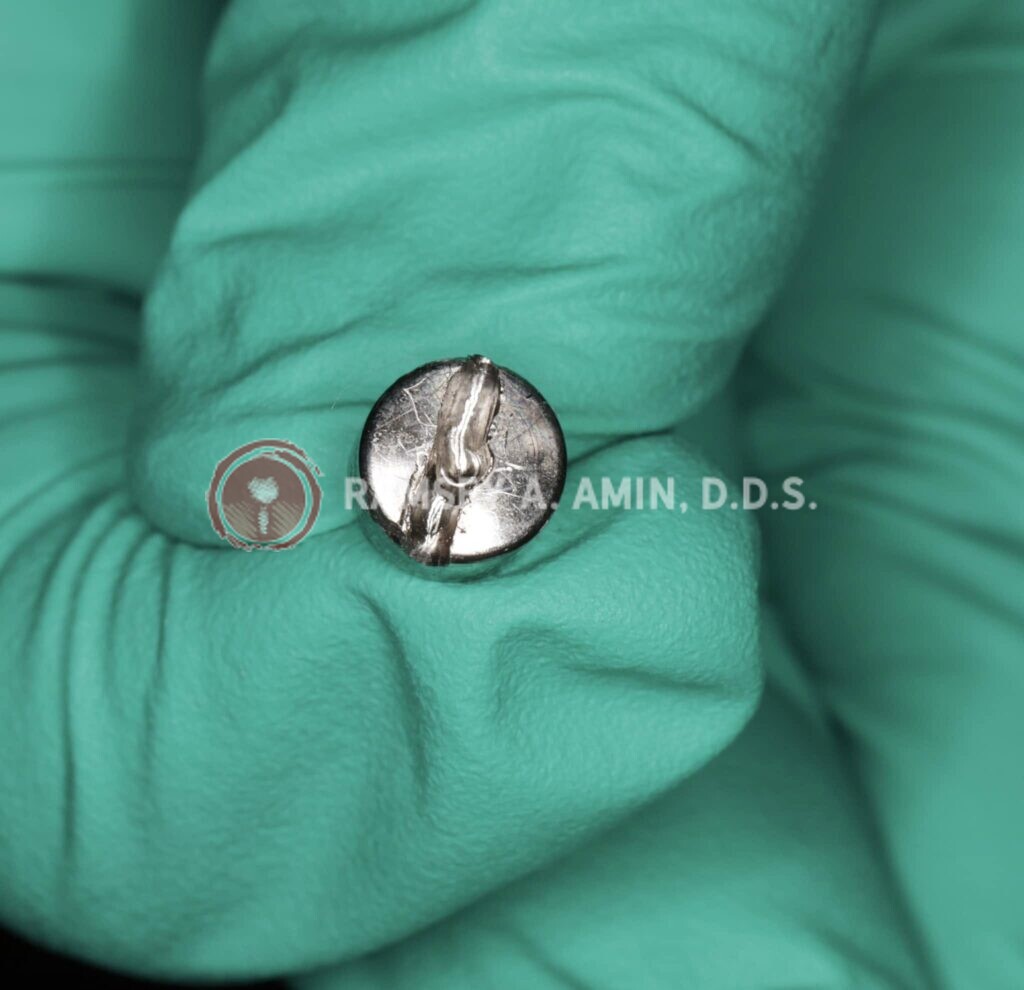
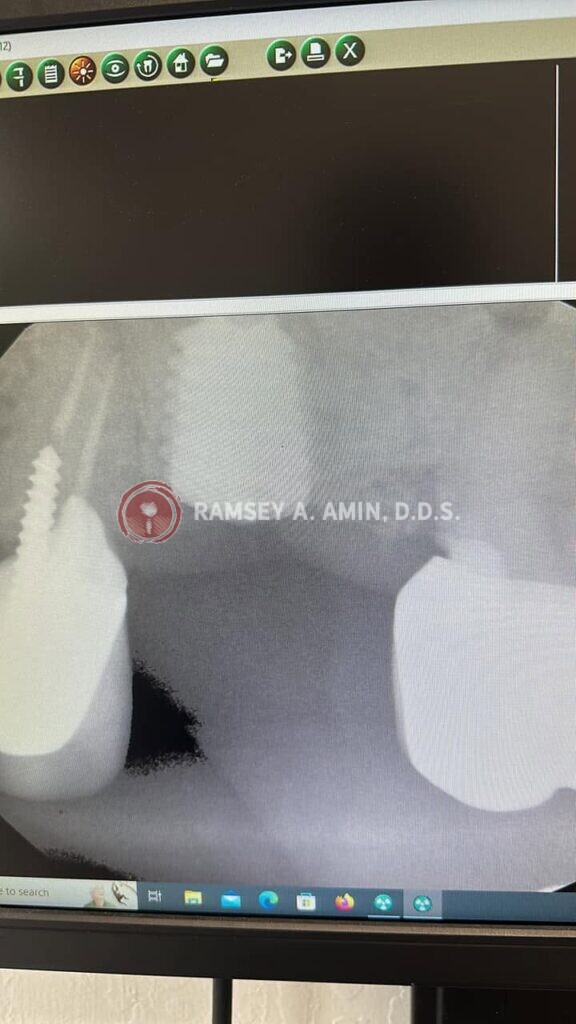
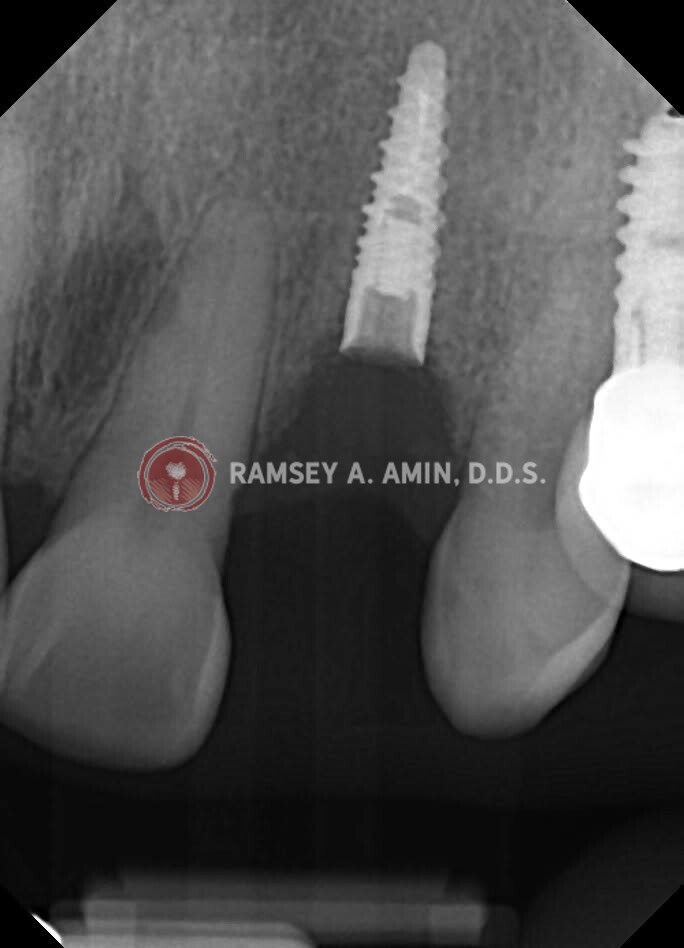
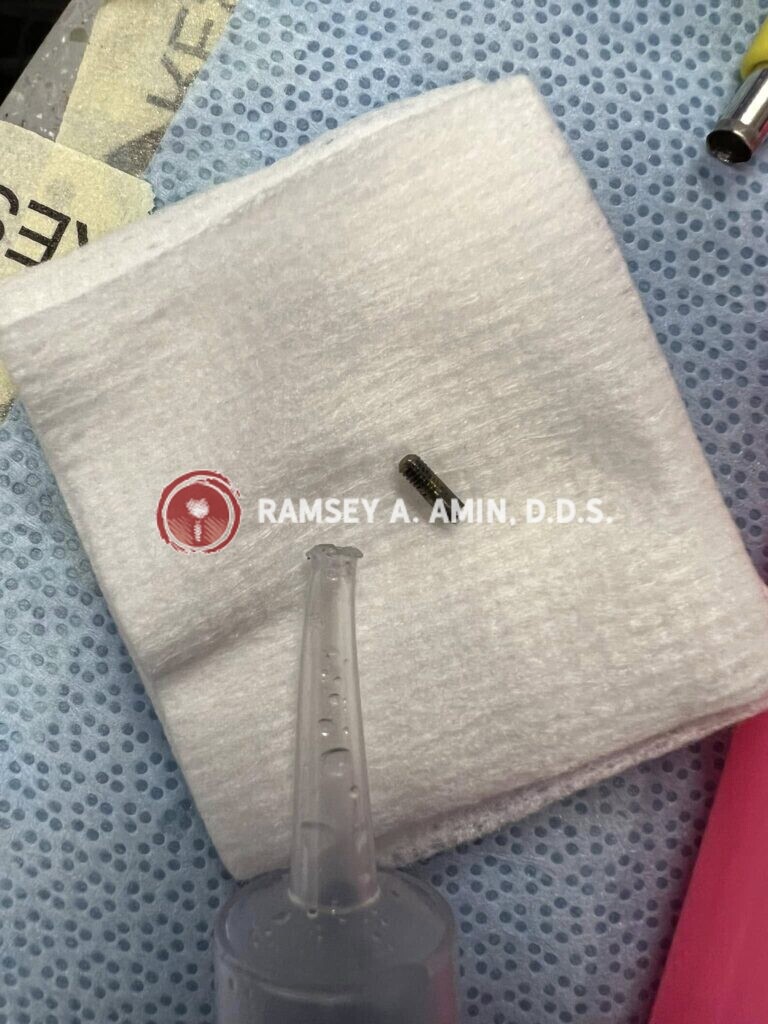
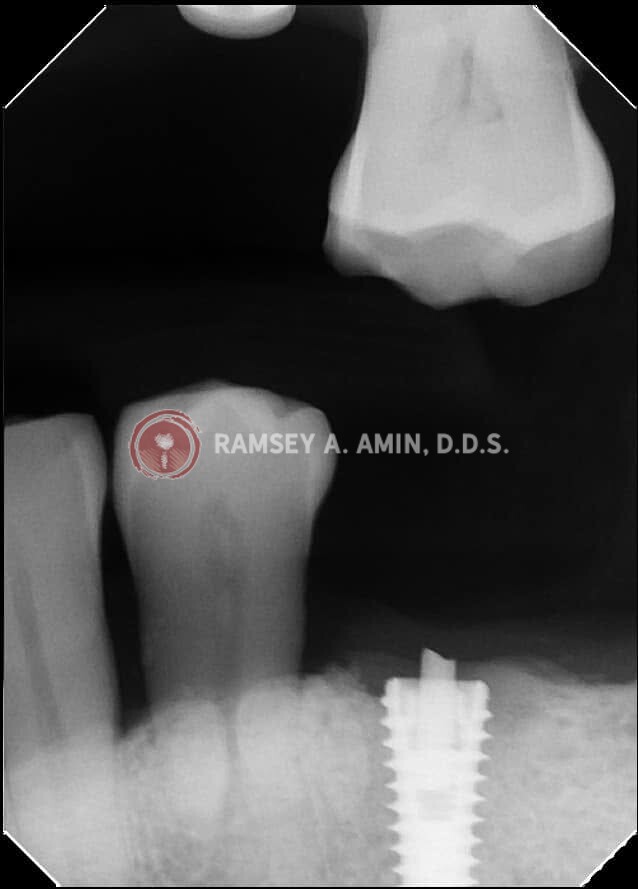
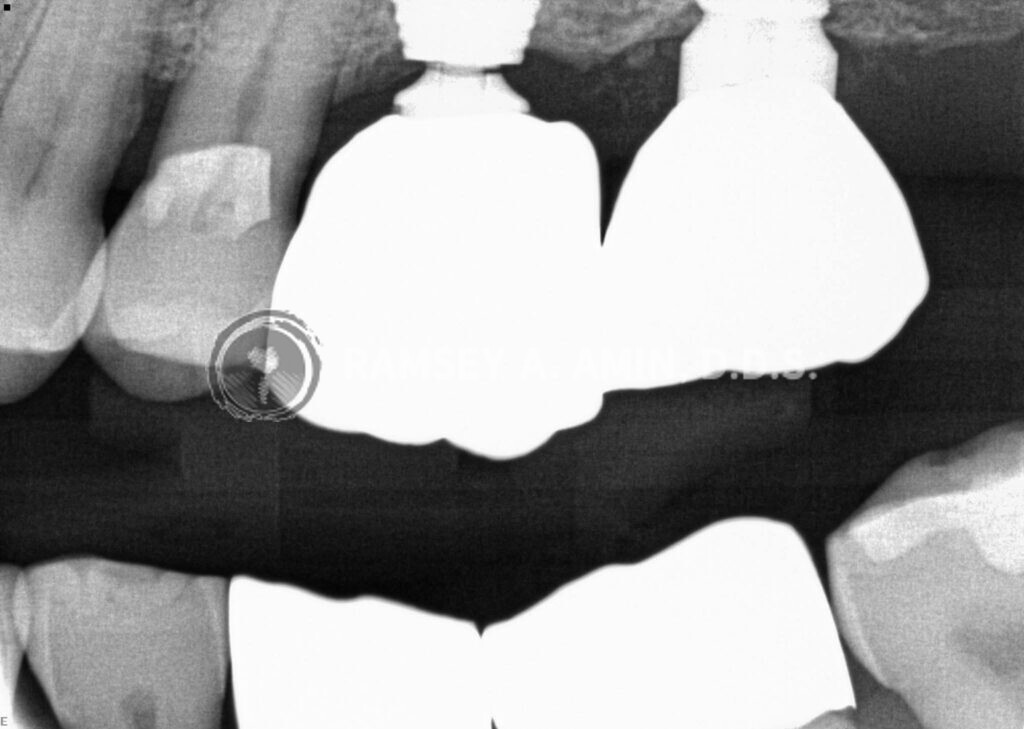
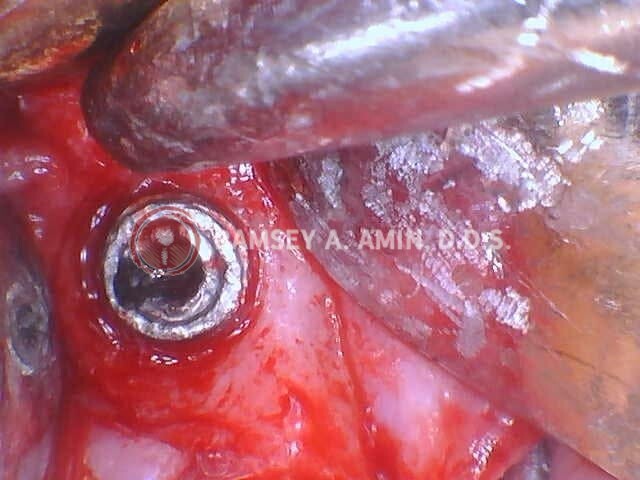
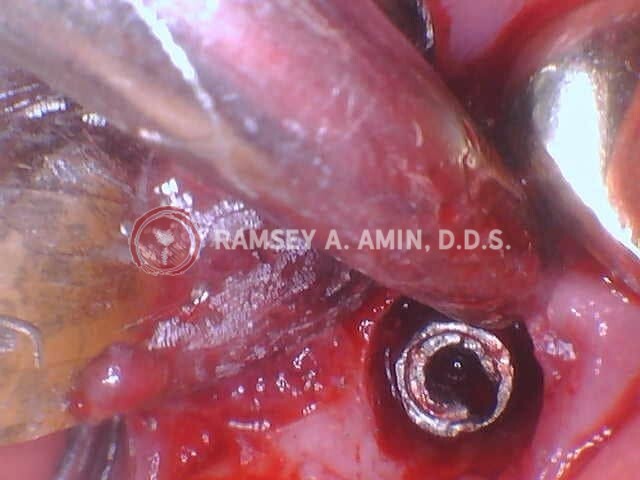
When someone comes to me with a loose, stripped or broken dental implant screw, I evaluate several things:
- Is the implant itself stable?
I first need to determine whether only the restoration is loose or whether the implant is moving in the bone. - What implant system is present?
Implant identification is crucial. The correct screwdriver, screw, abutment, and retrieval tools depend on the implant system. - Is the screw accessible and intact?
If the screw is loose but undamaged, the repair may be relatively straightforward. If it is stripped or fractured, the plan changes. - Is the crown screw-retained or cement-retained?
This affects whether the crown can be removed easily or whether it may need to be modified or replaced. - Is the implant connection damaged?
I inspect the internal connection for wear, cracks, stripped threads, or deformation. - Why did this happen?
I look at the bite, crown shape, chewing forces, clenching, implant position, cantilever forces, fit of the restoration, and component compatibility. - Can we make the repair predictably?
The goal is not just to retrieve a screw. The goal is to restore the implant in a way that is stable and likely to stay stable.
How much does repair cost?
The cost depends on what is actually wrong.
A simple loose screw that can be accessed and retightened is very different from a broken screw that requires surgical access, specialized retrieval tools, crown removal, a new abutment, a new crown, or implant removal.
In general, a repair may range from several hundred dollars to well over $1,000, depending on the time involved, imaging, specialized components, whether the crown can be saved, and whether surgery is required. If an implant has to be removed and replaced, the cost can be substantially higher.
I know this is frustrating for patients, especially when the implant treatment was completed years ago by another office. But these situations can be highly technical. The appointment cannot always be scheduled like a routine crown recementation because screw retrieval may take a few minutes—or it may take hours!
Can a broken implant screw always be removed?
No. Many broken screws can be retrieved, but not every one.
The outcome depends on:
- How deeply the screw fractured
- Whether the implant system has a compatible retrieval kit
- Whether the broken fragment can be engaged safely
- Whether the implant connection is already damaged
- Whether the implant is positioned in a way that allows access
- Whether the crown or abutment blocks access
- Whether trying to retrieve the screw would risk destroying the implant
There are techniques that may involve cooling the metal, using reverse-threaded instruments, modifying the screw head, or using specialized extraction tools similar in concept to an “easy-out” used in hardware repair. But this is not a do-it-yourself situation, and it is not something that should be rushed.
In some cases, the most predictable treatment is to remove the implant rather than damage it further by trying to retrieve a deeply fractured screw.
How to reduce the chance of future problems
No implant restoration is immune to complications, but careful planning and maintenance reduce the risk.
- Use a high-quality implant system with identifiable, available components
- Use original manufacturer parts whenever possible
- Make sure the implant crown is properly designed for the available space and biting forces
- Adjust the bite carefully, especially on back-tooth implants
- Avoid excessive cantilevers and off-axis loading
- Use the correct driver and manufacturer-recommended torque value
- Confirm that the restoration fits passively and precisely
- Wear a nightguard if you clench or grind your teeth
- Come in promptly if an implant crown feels loose, clicks, moves, or feels “high”
- Keep records of your implant brand and restoration information
Single implants in the lower molar area are especially vulnerable to high chewing forces, and off-axis contacts, cantilevers, non-passive fit, and certain bite relationships can increase the forces that work against the screw joint.
Frequently asked questions
Is a loose implant crown an emergency?
Usually it is not a medical emergency, but it should be addressed promptly. Avoid chewing hard foods on that side and call your implant dentist. The longer a loose crown moves, the more likely it is to damage the screw, abutment, crown, implant connection, or surrounding bone. A whole All-on-4 full-arch bridge can fall out or break ALL the screws at once!
Can my loose implant crown simply be tightened?
Sometimes, yes. But the dentist should determine why it loosened before simply retightening it. If the underlying problem is a damaged connection, poor bite, clenching, crown misfit, or incompatible component, it may loosen again.
Why is my implant crown loose but the implant itself feels solid?
This is common. The implant may still be firmly integrated in the bone while the crown or abutment screw has loosened. That is generally better than having a mobile implant, but it still needs prompt evaluation.
Can a dental implant screw break?
Yes. It is not common, but it can happen. Heavy forces, grinding, component fatigue, screw loosening, improper torque, a damaged implant connection, and crown or bite design can all contribute.
Will a broken dental implant screw damage the implant?
It can. The screw itself may be retrievable without harm, but repeated movement before treatment—or aggressive attempts to remove a deeply broken screw—can damage the internal implant connection. In some cases, the implant may need to be removed.
What happens if the screw head is stripped?
If the screwdriver cannot engage the screw, the crown may need to be accessed, modified, or removed so the screw can be retrieved. Depending on the situation, the crown may need to be replaced.
Do I need to know the brand of my dental implant?
Yes, if possible. Knowing the implant brand, connection type, abutment, screw, and driver system can save time and make a repair much more predictable. Ask for this information when your implant treatment is completed and keep it with your dental records.
Can another dentist fix an implant placed somewhere else?
Often, yes—but not always. The dentist needs to identify the implant system and have access to the correct components, drivers, and retrieval tools. Some older, discontinued, obscure, or poorly documented implant systems are much harder to repair.
The bottom line
Broken screws, loose crowns, stripped screws, and stuck abutments are not glamorous topics, but they are real parts of implant dentistry.
They do not happen to everyone. But with millions of implants in use, even a relatively uncommon complication affects a lot of people. The key is to deal with a loose implant crown early, before a manageable repair becomes a much larger problem.
If your implant crown feels loose, clicks when you chew, has come off, or has been tightened repeatedly, do not ignore it. I recommend getting an examination, updated X-rays, and a careful review of the implant system and restoration before further damage occurs.
At my office in Burbank, California I evaluate implant complications with the goal of saving the implant whenever that can be done predictably. Sometimes the fix is simple. Sometimes it requires advanced retrieval tools, component identification, and careful planning. Either way, the sooner we evaluate it, the more options we usually have.
Ramsey Amin, D.D.S.
Diplomate of the American Board of Oral Implantology /Implant Dentistry
Honored Fellow-American Academy of Implant Dentistry