
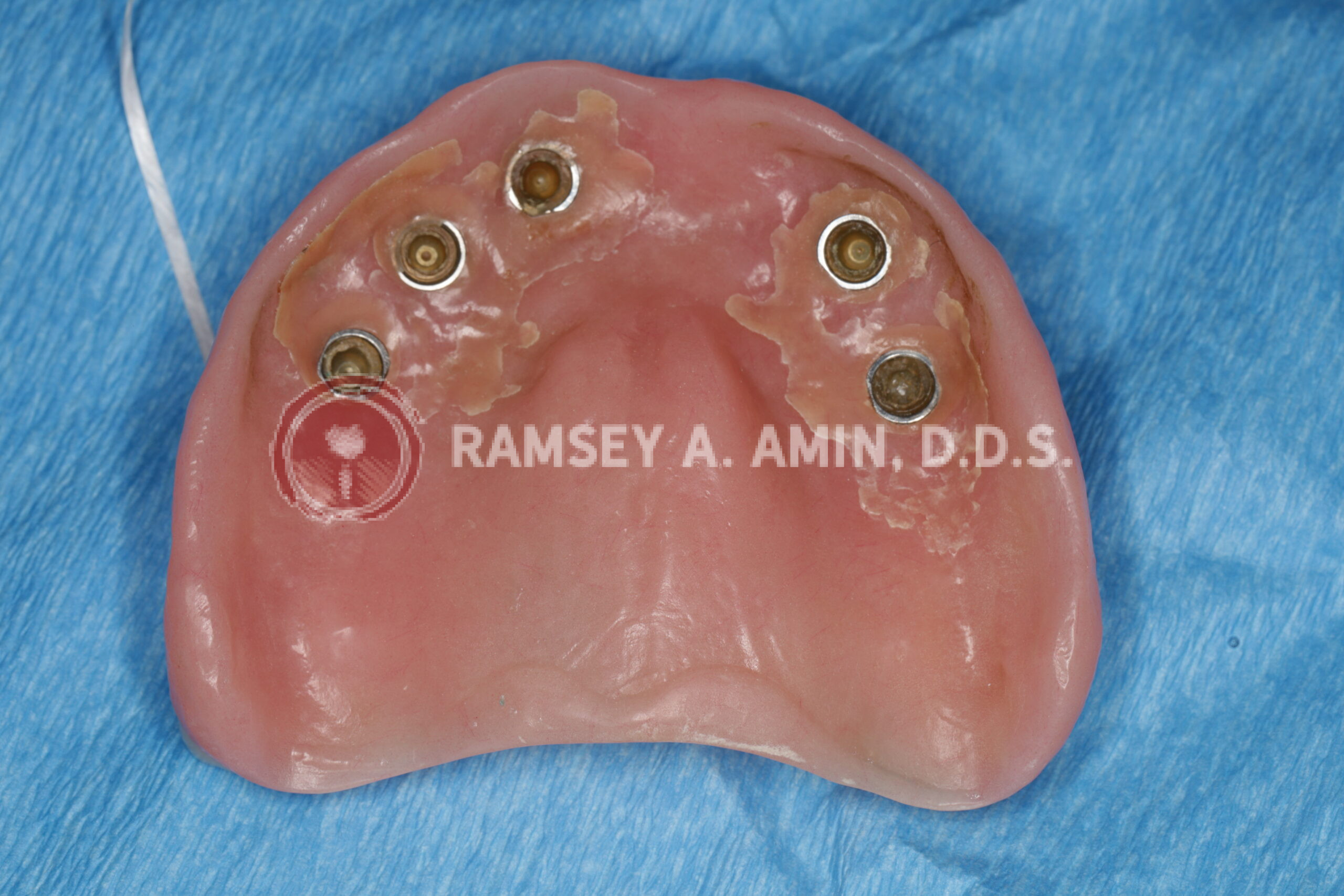
After 26 years in implant dentistry, I’ve seen what works long-term and what doesn’t. Dental implants are not permanent. And if there’s one treatment I gave up on years ago, it’s dental implant overdentures (“snap on overdentures”) —especially in the upper jaw. They’ve been marketed as an affordable, “simple” way to stabilize dentures, but the reality is far less appealing once you see how they behave over time.
Let’s talk about why.
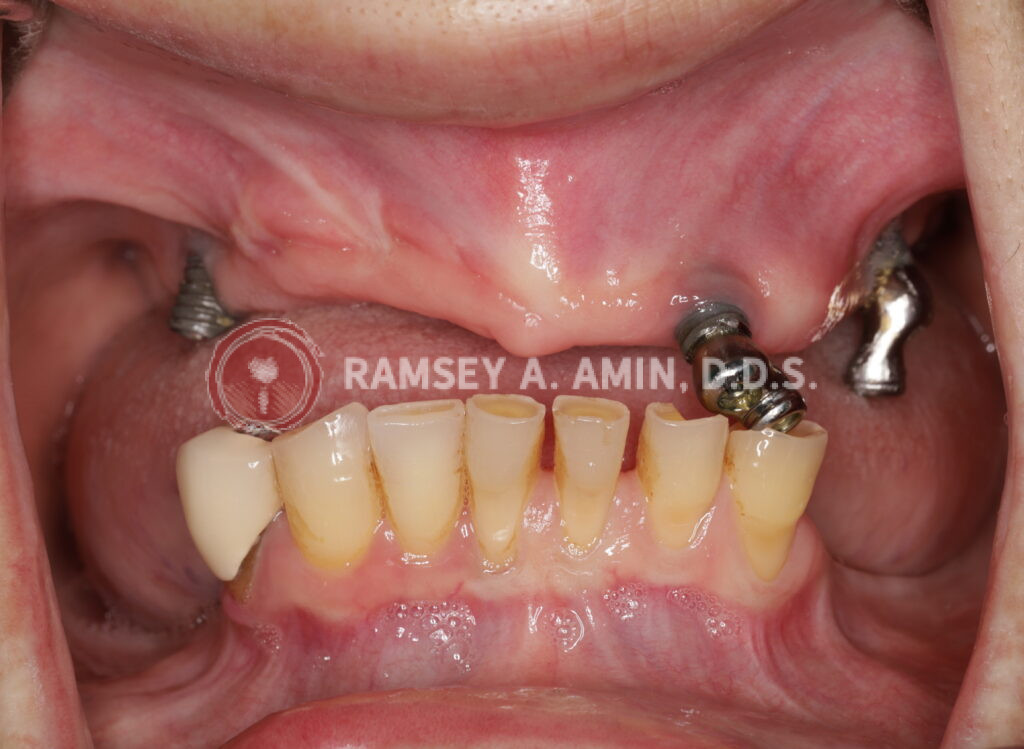
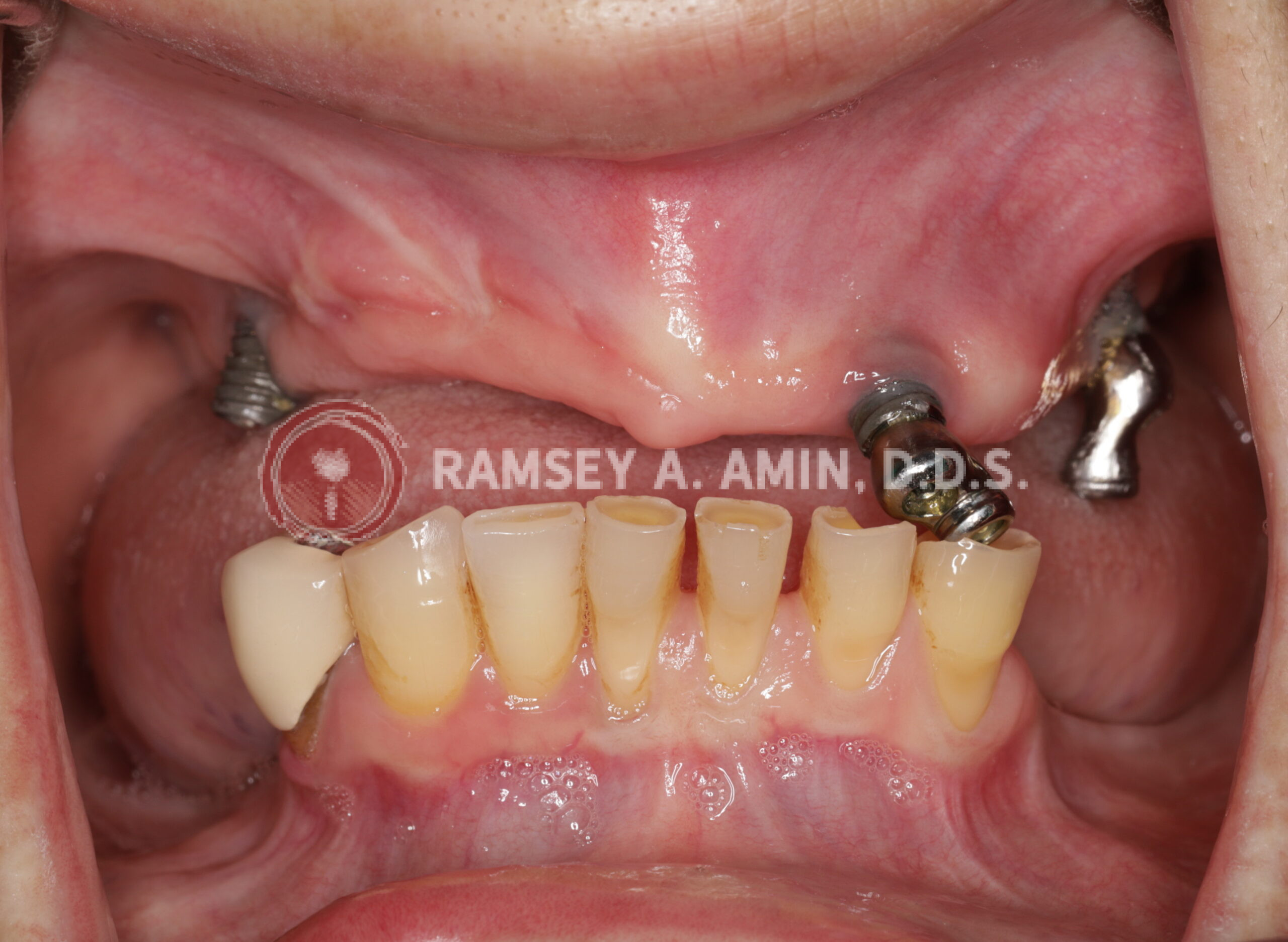
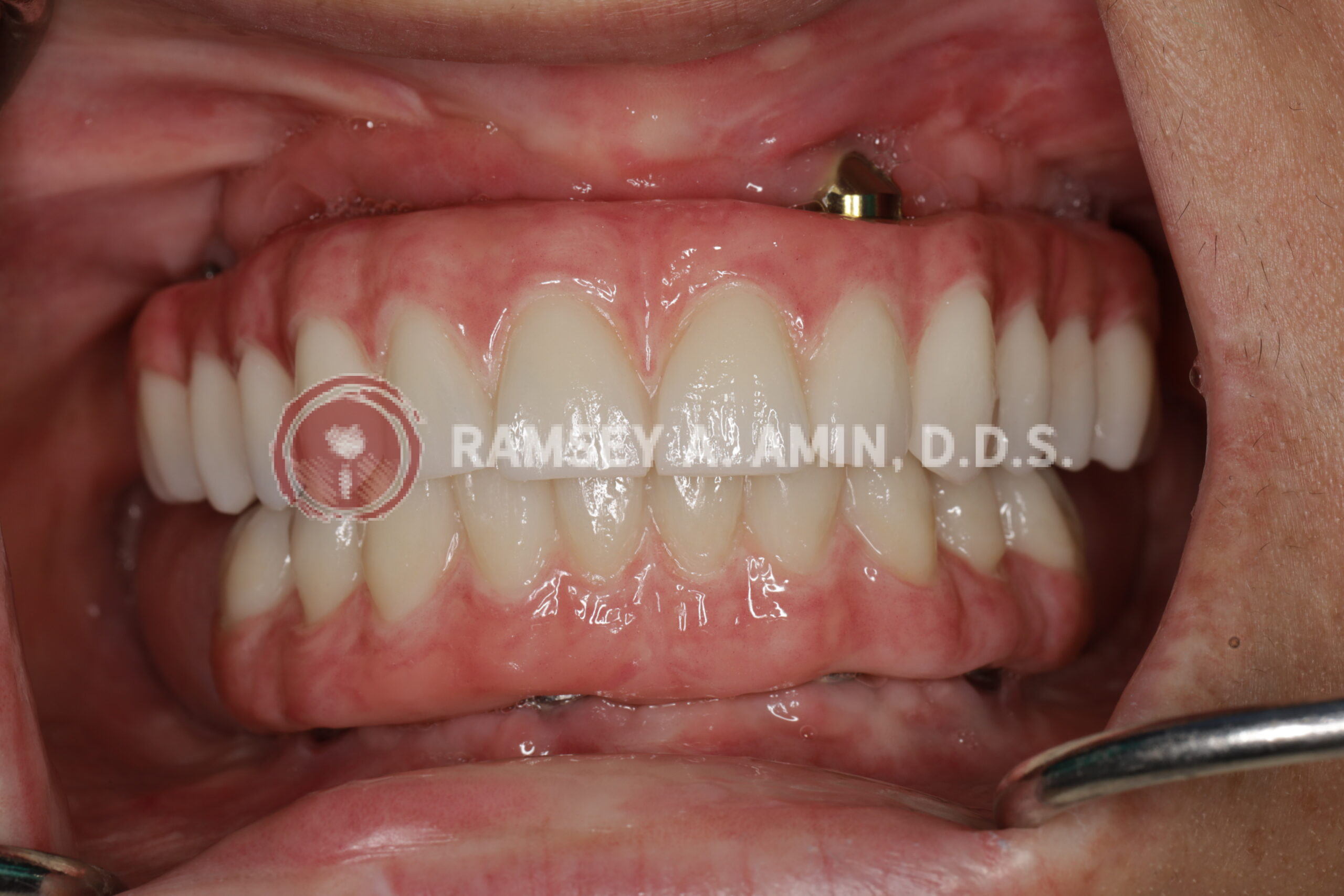
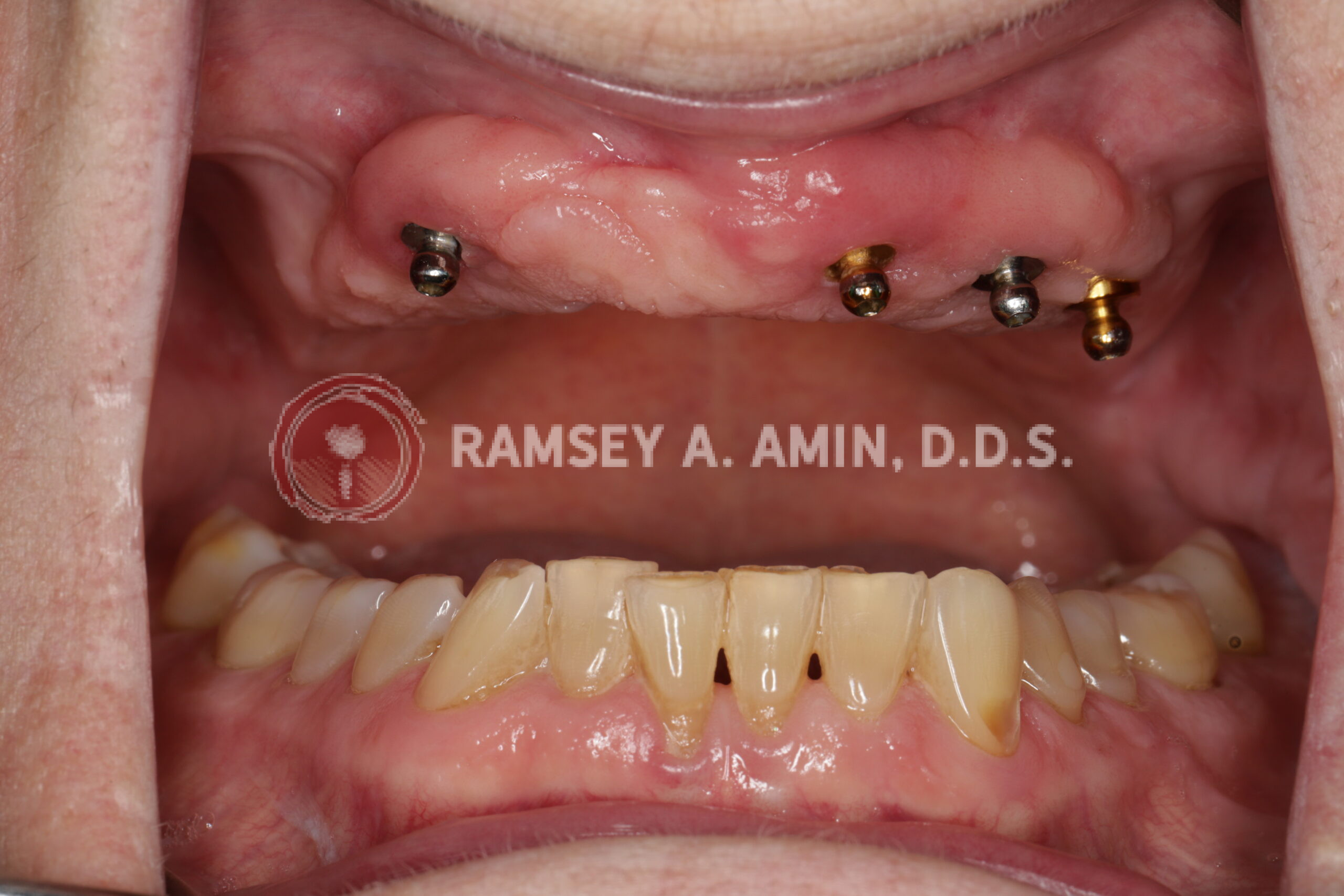
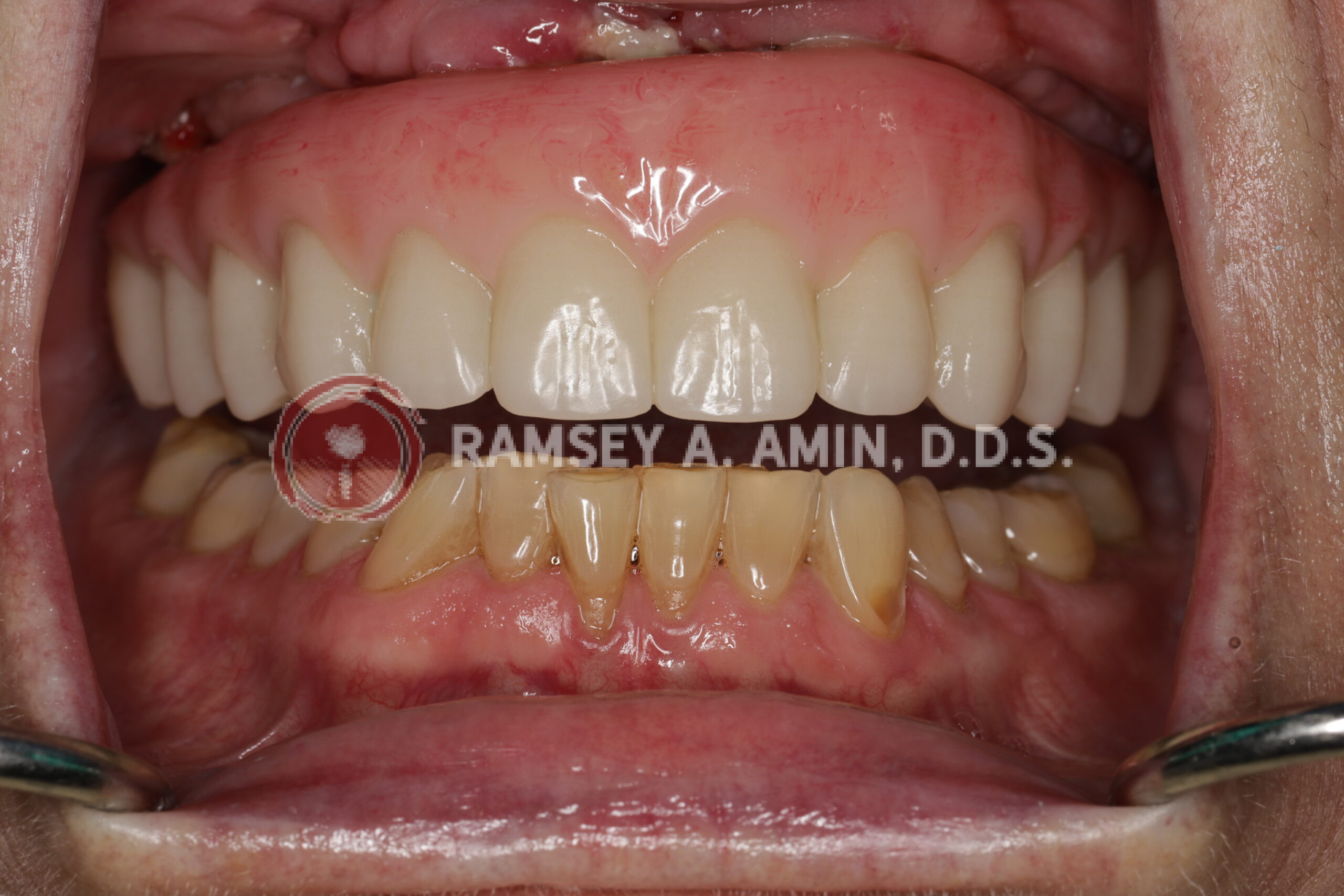


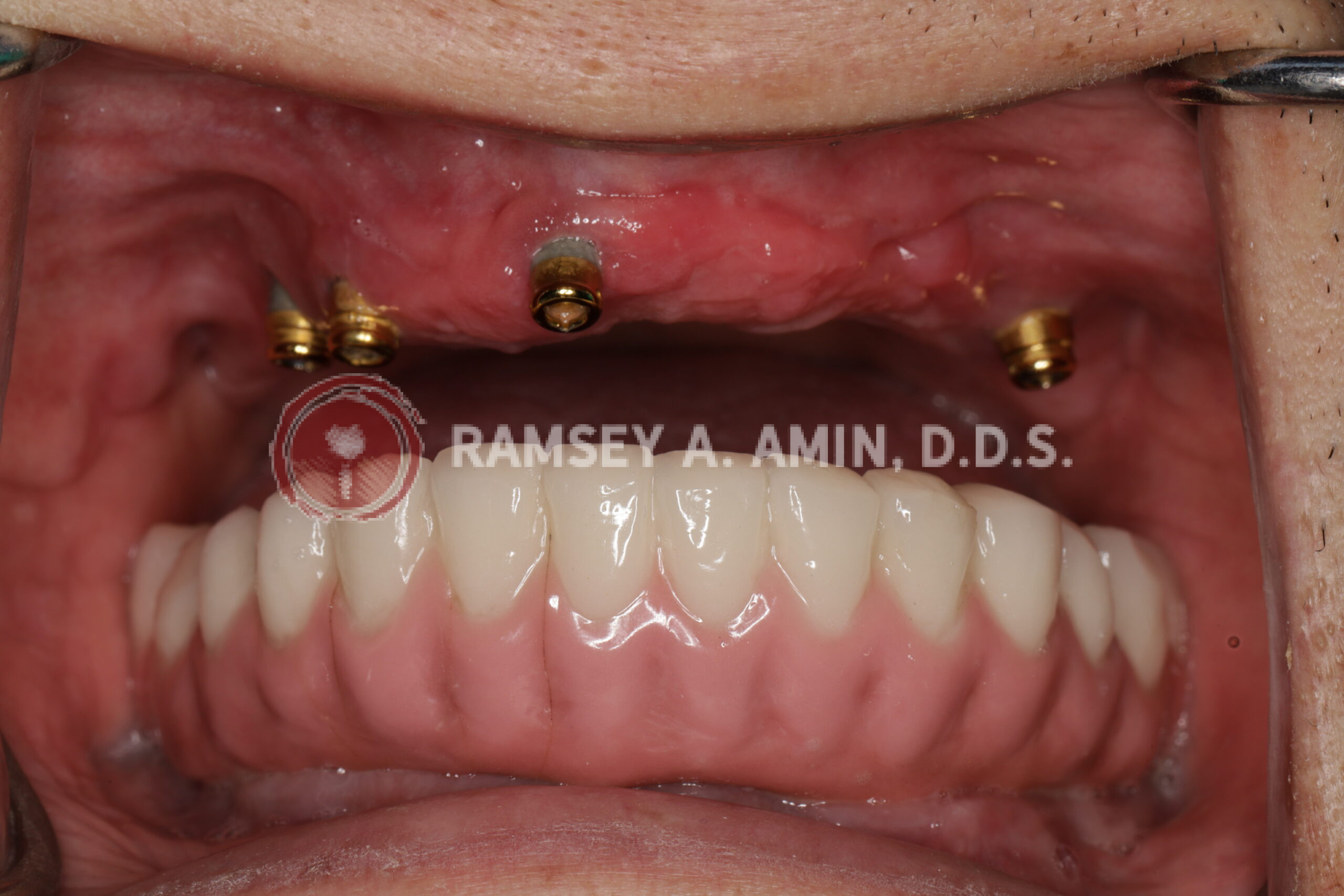
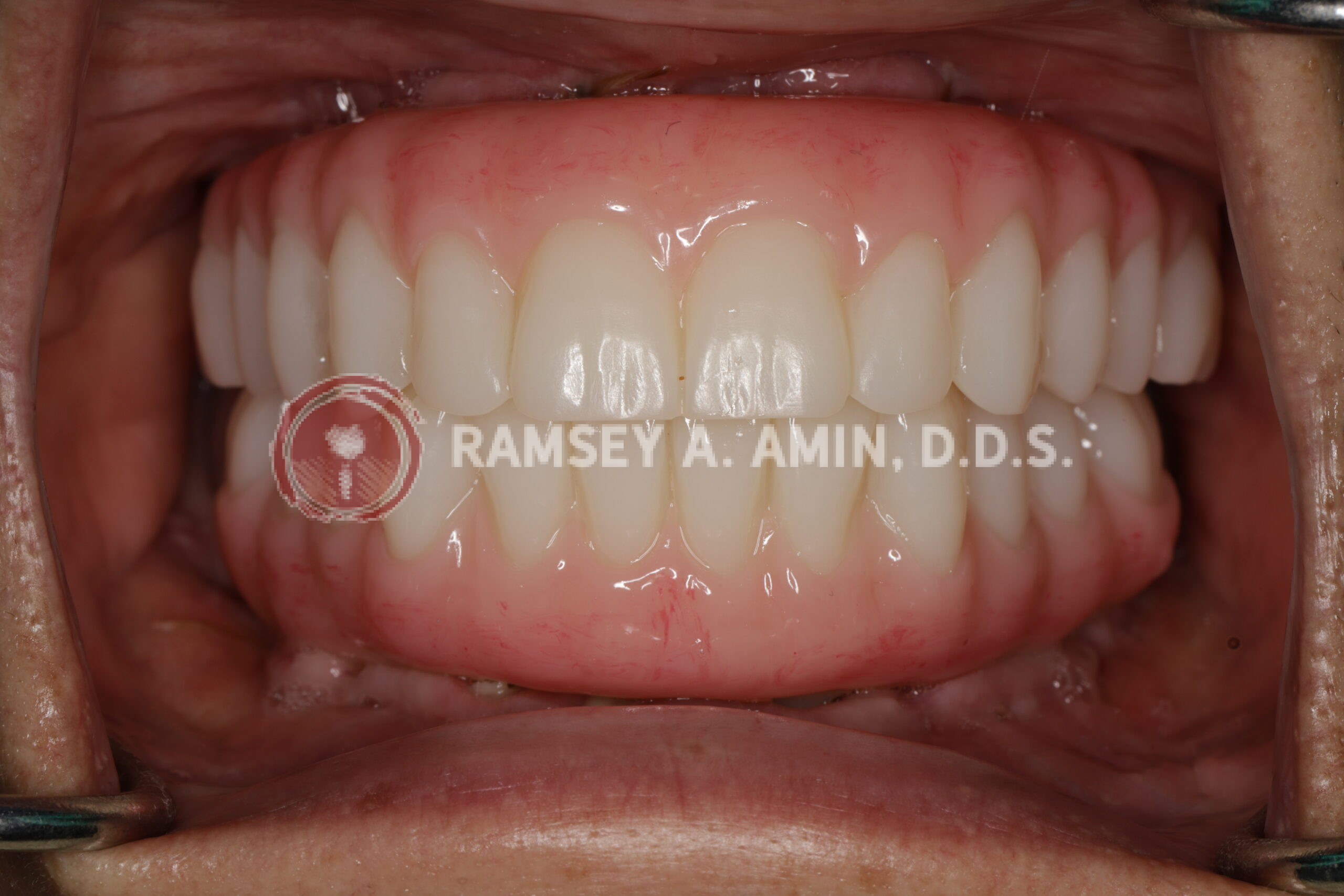
The Problem With Implant Snap On Overdentures
Overdentures have been popular for more than two decades, and I understand why. On paper, they sound great: fewer implants, lower cost, easier for patients to clean. But when you really study the biomechanics and the clinical performance over 10, 15, or 20 years, the story changes.
The last time I delivered an overdenture was back in 2007!
By then, I’d already realized the total cost — after all the attachments, maintenance, and eventual remakes—was almost the same as a permanent fixed bridge.
The difference?
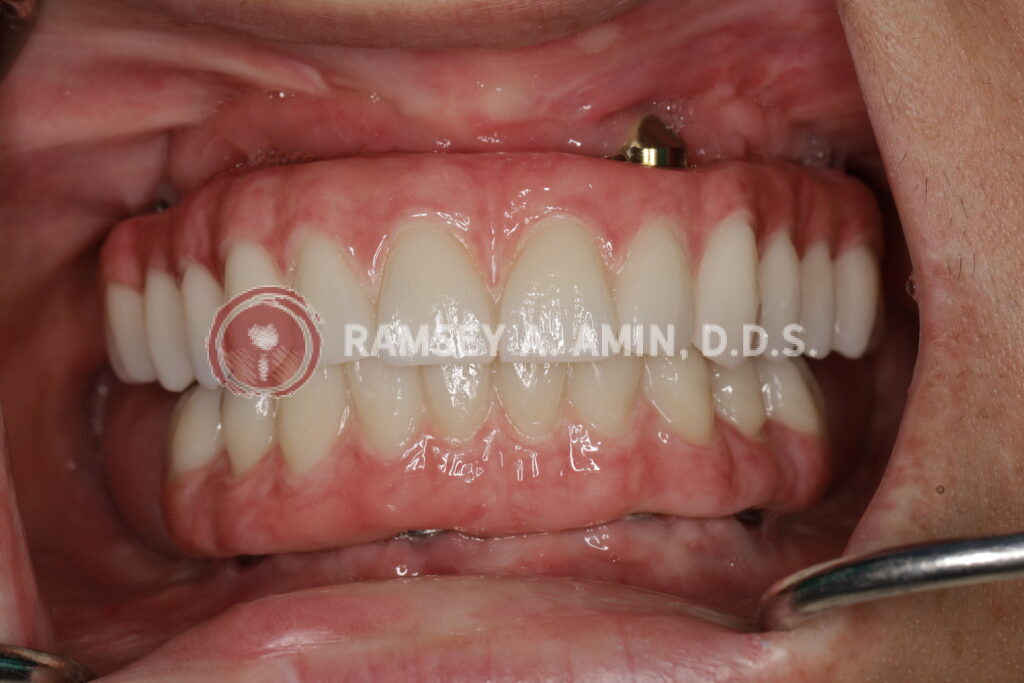
Fixed implants All on 4/6 stay in place. Overdentures move, wear out, and eventually cause the kind of headaches no one wants after investing in dental implants.
In the lower jaw, where bone is denser, overdentures can sometimes get by. But in the upper jaw? The bone is softer, and implants placed individually without proper support simply don’t last. Patients often start with a good fit and confidence that they’ve found the perfect solution. A few years later, they’re back dealing with sore gums, worn attachments, or worse—frequent failing implants.
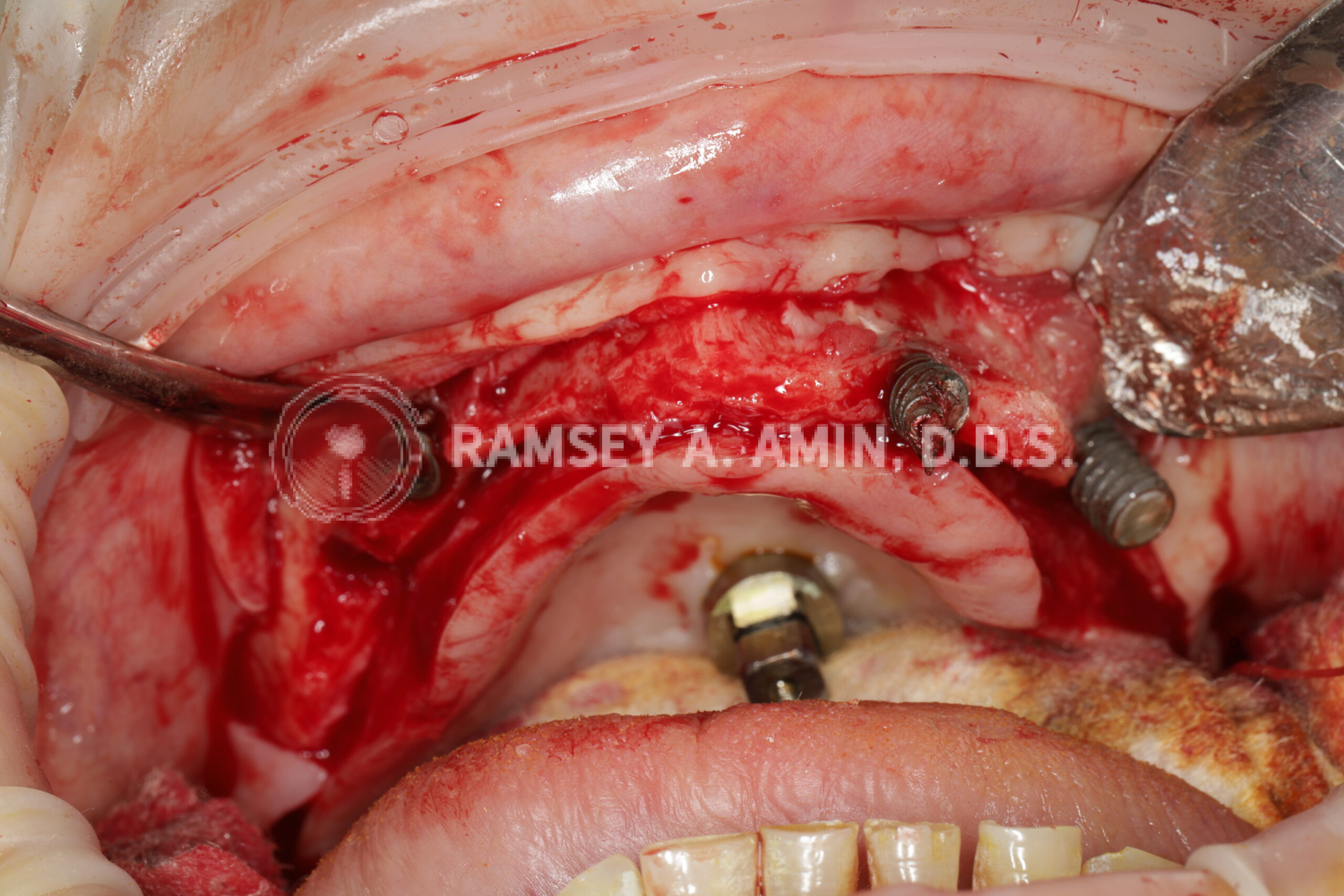
Why They Fail So Often
Upper-jaw overdentures fail for both biological and mechanical reasons. The softer bone can’t handle the constant bite forces without a rigid connection between implants. Think of it like trying to build a fence by sticking posts in sand without a crossbeam: it might look stable at first, but it won’t hold up once the wind starts blowing.
On top of that, there’s often limited space inside the mouth. The plastic snap-on parts that hold the denture in place wear down quickly. As they loosen, the denture starts rocking, which irritates the gums and stresses the implants. Over time, you end up in a cycle of repairs, replacements, and lost bone.
Many of these cases are made worse by shortcuts—no proper bone leveling (alveoloplasty), minimal surgical planning, and sometimes poorly made prosthetics. This “fast and cheap” approach is common in discount chain clinics in both the U.S. and Mexico.
The end result?
Patients pay twice: first for the overdenture, and later for the reconstruction when it fails.
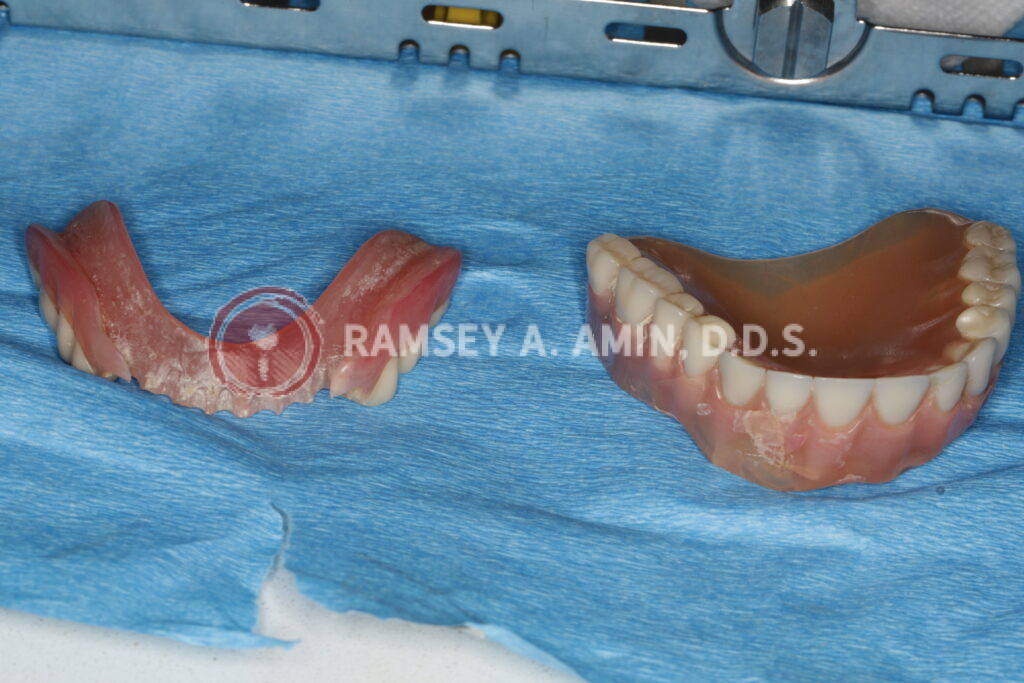
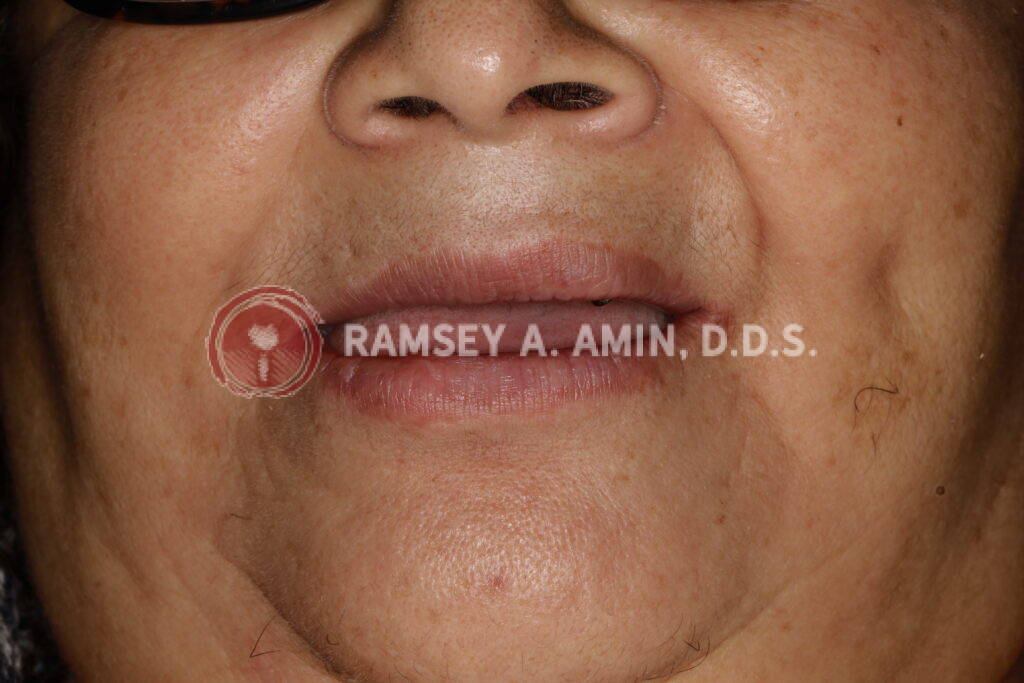
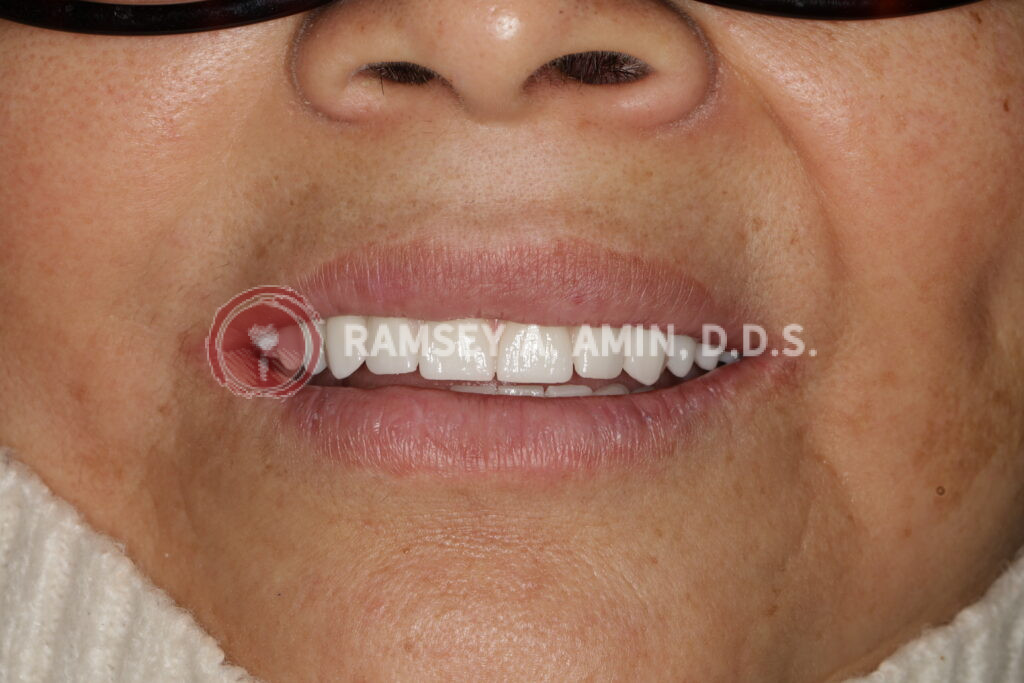
The Biomechanical Reality in the Upper Jaw
Here’s the harsh truth: the upper jaw just doesn’t have the same density or structure as the lower. Most upper implants for overdentures end up in the front part of the mouth because the sinuses take up too much space in the back. That means all the chewing forces get concentrated in a small area.
Without additional support from pterygoid or zygomatic implants—rarely included in overdenture plans—the setup simply can’t distribute forces properly.
The result is a prosthesis that breaks easily and implants that progressively lose integration. The implants are often crowded in the front of the mouth, when we need the support in the back.
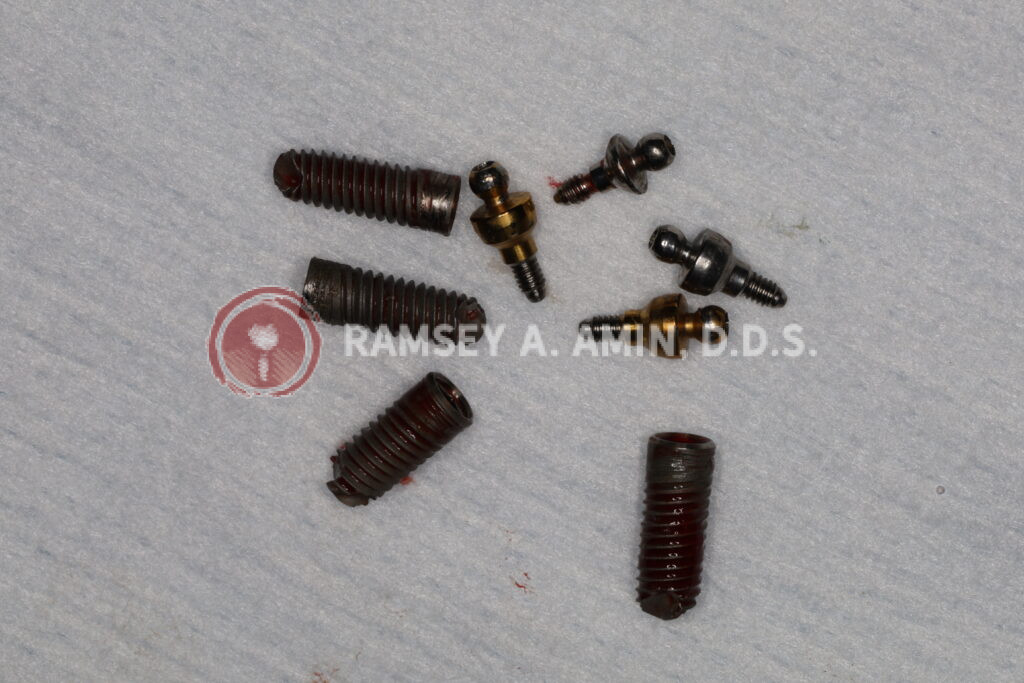
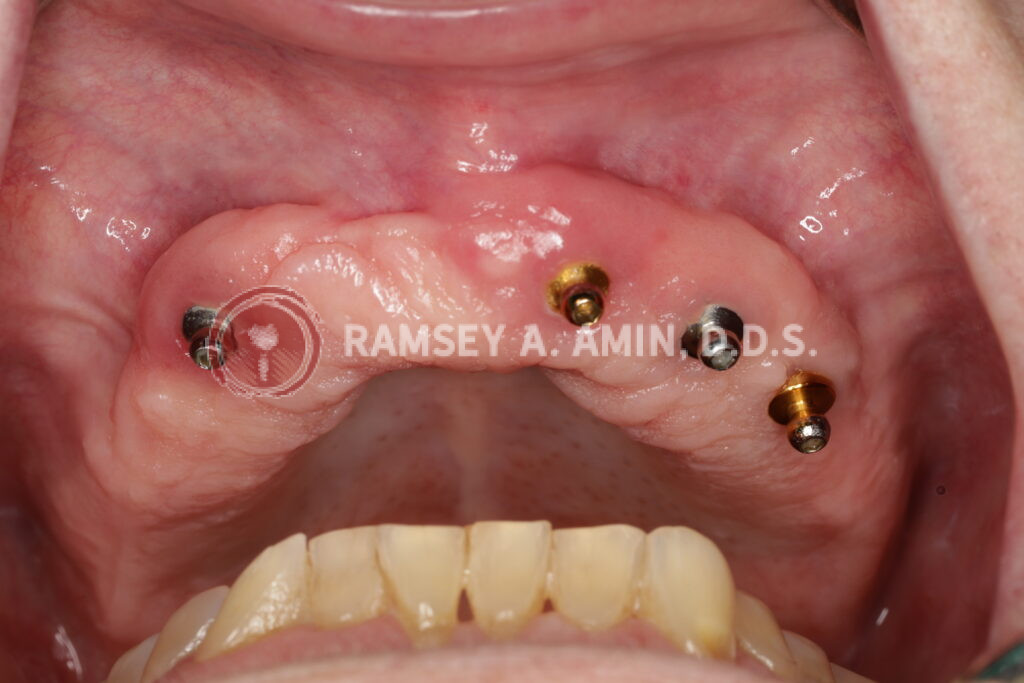
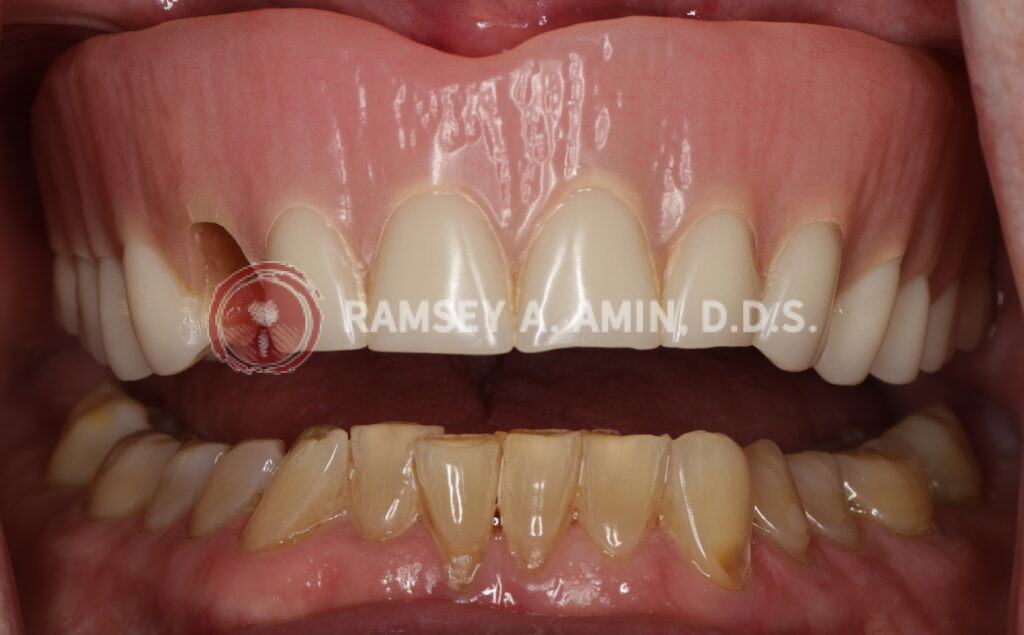
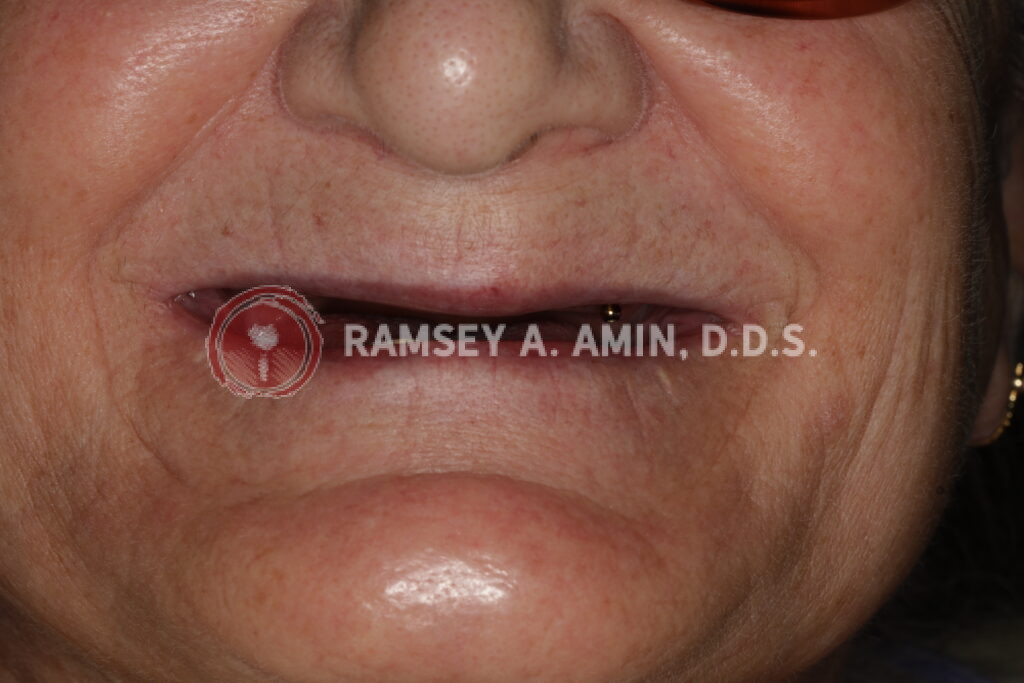
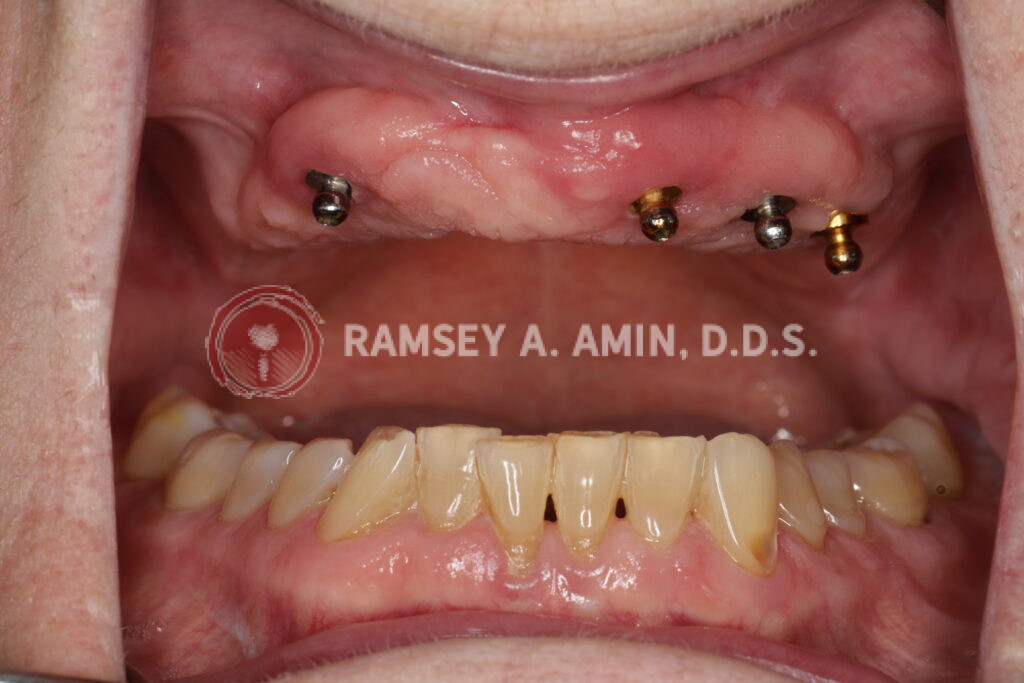
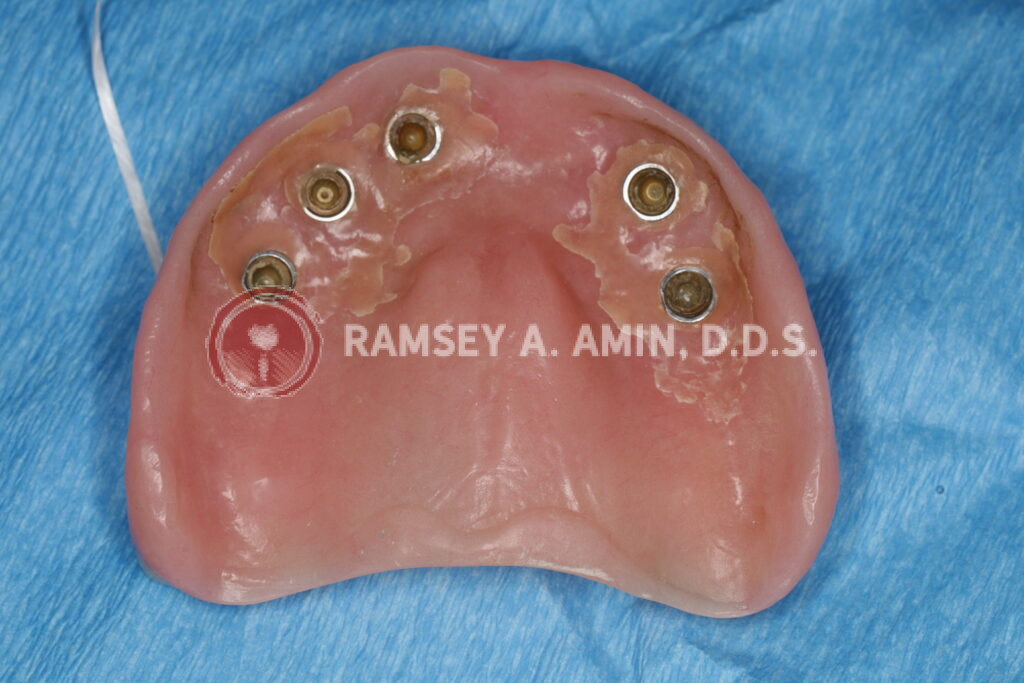
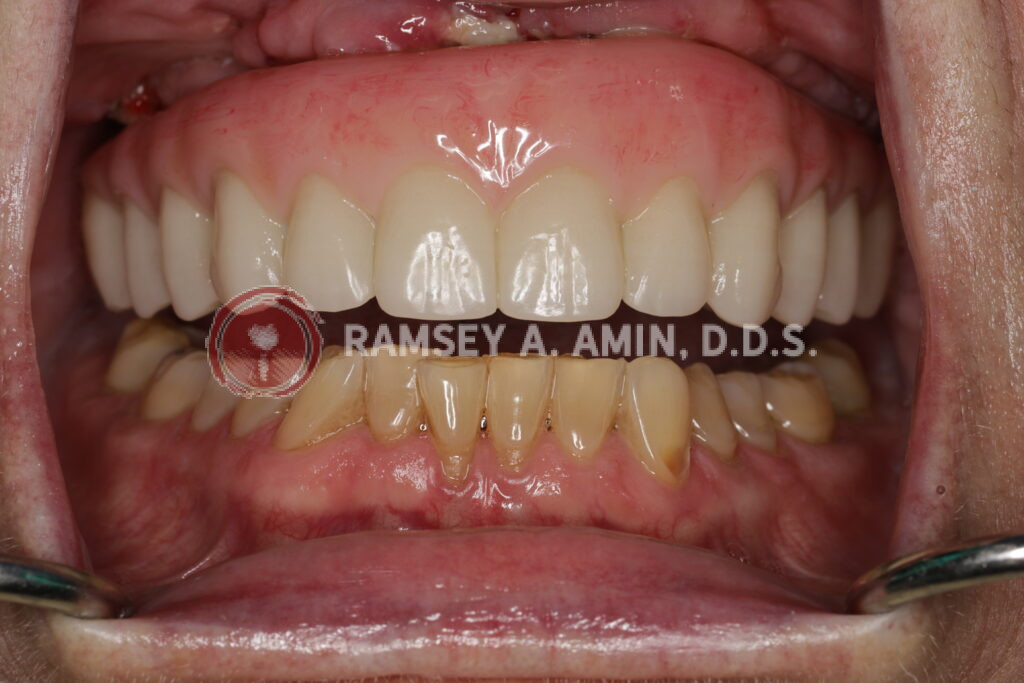
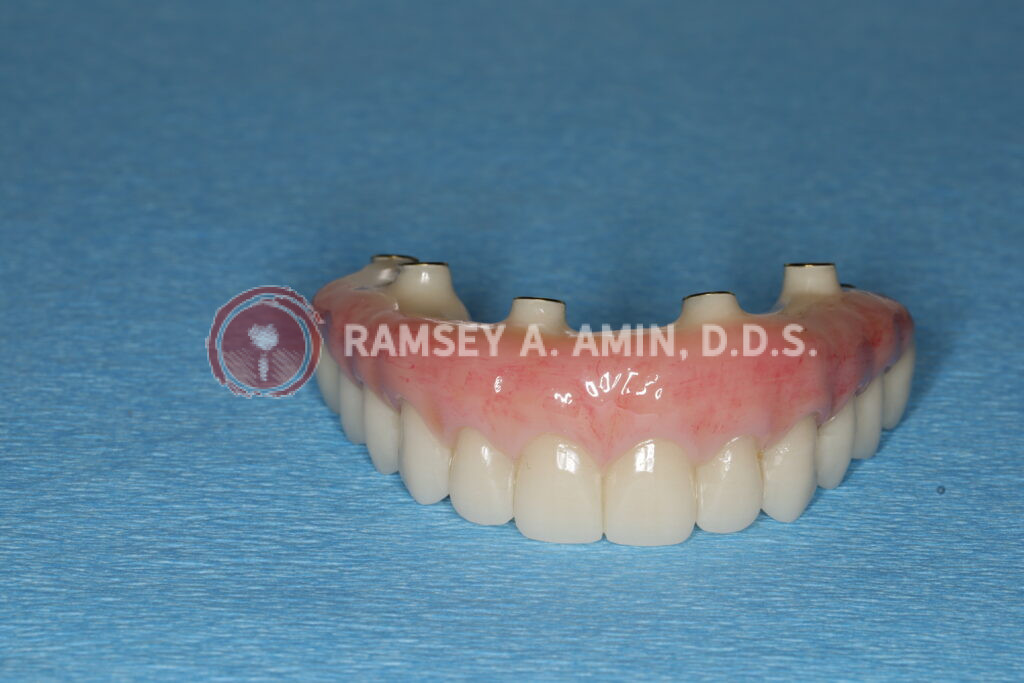
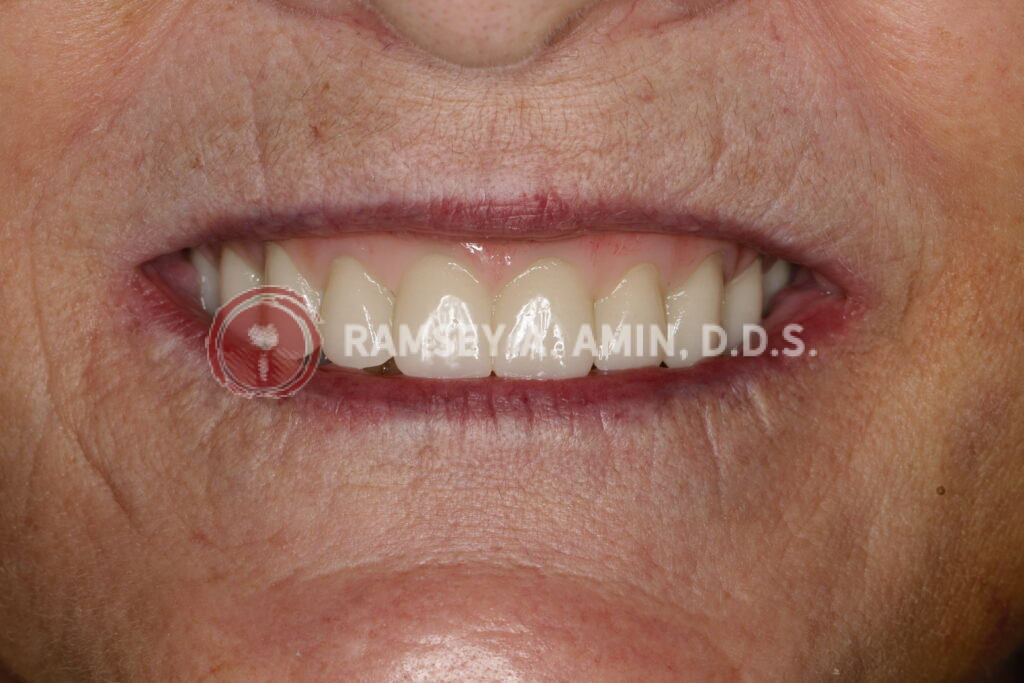
Comparing Options: Implant Overdentures vs. All on 4/6 Fixed Bridges
A standard overdenture snaps onto small locator attachments—it’s still a removable denture at the end of the day. The best version uses a metal bar that stays in your mouth full-time, with the denture clipping securely onto it.
But here’s the kicker: once you add that bar and supporting framework, the cost usually matches (or exceeds) a fixed bridge.
So yes, a properly executed fixed solution—like an All-on-4 or full-arch bridge—may cost a bit more upfront, but it’s dramatically more stable, functional, and sustainable.
Just as important, it must be done right: proper planning, bone reduction, and precise implant placement make or break the outcome. Too many failed All-on-4 cases come from skipping those steps.
The Only Time I Will Recommend An Implant Overdenture..
There’s really only one scenario where I still consider an overdenture: four implants on the lower jaw for someone who’s been wearing traditional dentures for years and just wants better stability. In that case, an overdenture can improve quality of life without overpromising a “natural teeth” feel.
But for anyone looking for a long-term, functional solution that feels and acts like real teeth, a fixed bridge is the clear winner every time.
Final Thoughts
In 2026, much of my practice revolves around fixing failed dental implant work—often overdentures or rushed, improperly planned full-arch cases. Too many clinics operate like assembly lines, prioritizing volume and speed over sound biomechanics and predictable results.
Dental implants can absolutely change lives—but only when the design, surgery, and prosthetics are done with precision. There are no shortcuts to lasting success.